There is no single correct interval after which every window must be adjusted. If the sash operates correctly, does not rub against the frame, closes without unusual resistance and shows no other problem symptoms, the passage of time alone is not a reason to change hardware settings.
Adjustment must be distinguished from periodic inspection and maintenance. Those activities may follow a schedule specified by the manufacturer of the particular hardware system. Adjustment, by contrast, is needed when the setting of a sound mechanism actually requires correction.
Adjustment, inspection, maintenance and repair are not the same
| Activity | When is it needed? | What does it involve? |
|---|
| Inspection / condition check | Periodically, according to recommendations for the specific system. | Assessing condition, fastening and correct operation of window and hardware components. |
| Maintenance | According to the hardware manufacturer's instructions. | Activities specified by the manufacturer, such as checking, cleaning or lubricating particular components, depending on the system. |
| Adjustment | When the setting of a sound mechanism requires correction. | Changing the setting within the range intended for that system. |
| Repair | When a component is damaged, worn or does not operate correctly. | Repairing or replacing the appropriate component after identifying the cause. |
A recommendation for periodic maintenance therefore does not automatically mean periodic adjustment. A correctly operating window does not need its hardware settings changed simply because a certain amount of time has passed since the previous inspection or maintenance.
Do not start with “how often should I adjust it?” — define what should trigger an inspection
Elapsed time alone does not show that a window needs adjustment. This guide therefore focuses on the moments that justify checking how a window works: a change in sash or handle operation, new rubbing, difficulty closing, a new leak, or an event that may have affected the assembly.
A separate guide explains why there is no universal adjustment interval for every window. The key distinction here is between checking condition and adjusting settings: an inspection can correctly end with the conclusion that no adjustment is required.
How can you tell that a window needs checking?
A change in operation is a reason to inspect the window, but it does not automatically identify one particular adjustment. The same symptom can have several causes.
| Symptom | What to check |
|---|
| The sash starts rubbing against the frame | Sash position and hardware condition. |
| The handle becomes noticeably harder to operate | Sash setting, interaction of locking components and mechanism condition. |
| The gap between sash and frame is uneven | Sash position relative to the frame and the condition of interacting hardware components. |
| A local draught is felt with the window closed | Sash contact, gasket condition and the location of the leak. |
| Play, grinding or jamming appears | Mechanism condition before attempting adjustment. |
A symptom is not yet a diagnosis. Only identifying the cause shows whether adjustment, maintenance or repair is needed.
Not every window problem can be solved by adjustment
Adjustment is used to correct component settings within the range intended for the particular system. It does not replace repair of a damaged mechanism, resolution of a gasket problem or correction of a leak outside the hardware's operating scope.
Mist or moisture between panes
If moisture is inside the insulated glass unit, changing the sash setting will not remove the cause. This symptom requires diagnosis independently of hardware adjustment.
A damaged hardware component
A cracked, bent, excessively loose or jamming component may require repair or replacement. Further adjustment cannot substitute for repairing mechanical damage.
A damaged or permanently deformed gasket
Gaskets should be checked for cracks, missing sections, permanent deformation and other visible deterioration. If the problem comes from the gasket itself, hardware adjustment will not restore its properties.
A leak outside the sash-to-frame contact
If air is entering around the connection between the frame and the wall or sill, increasing sash compression will not remove the source. With a draught, first identify where the leak is located.
Is inspection worthwhile if the window works correctly?
Yes, if periodic inspection or maintenance is recommended for the installed system. Inspecting a correctly operating window does not, however, automatically mean changing its hardware settings.
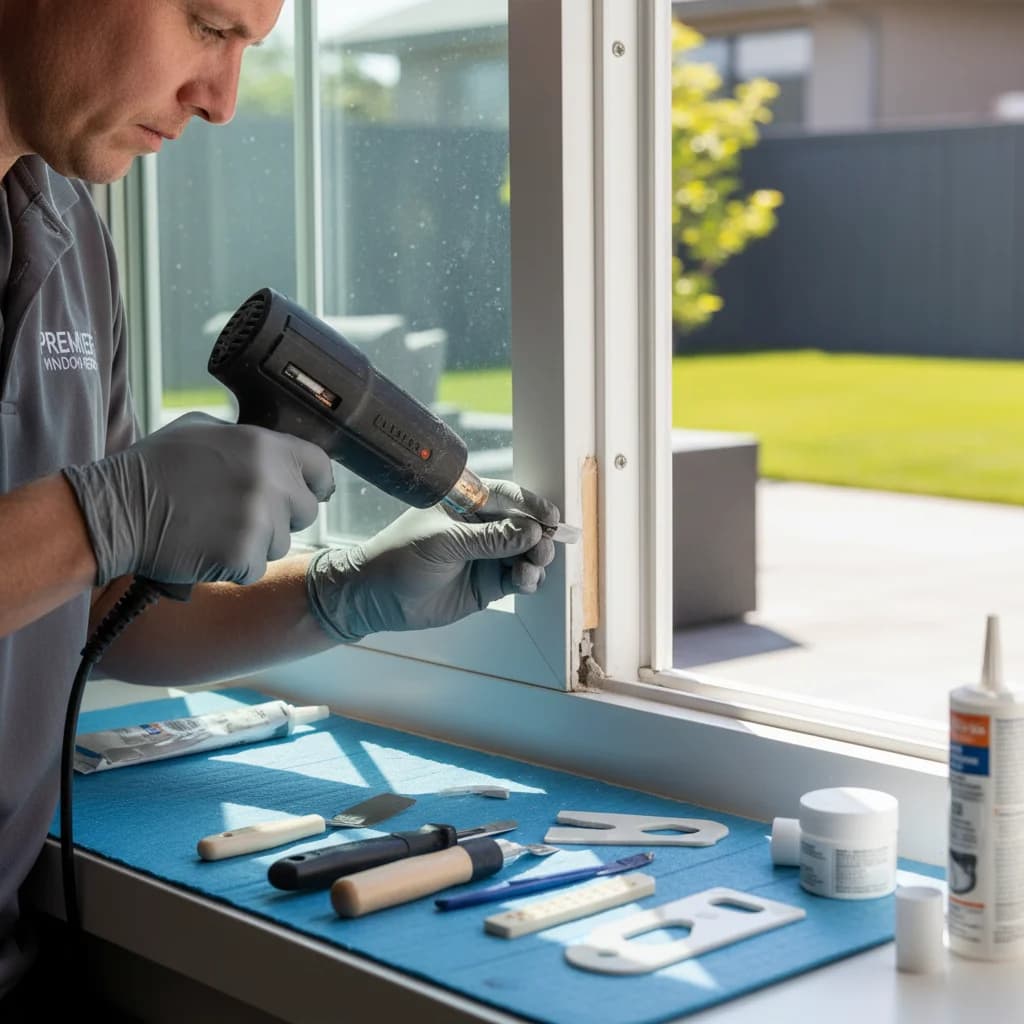
An inspection can assess mechanism condition and fastening, opening and closing operation, unusual play or resistance, visible signs of wear or damage, and sealing components. Maintenance should be carried out within the scope and with the products specified for the particular system.
What can affect how often a window should be checked?
One relevant factor is intensity of use. A window opened occasionally operates under different conditions from a construction used many times every day. The type of construction and hardware also matters because different systems have their own inspection and maintenance requirements.
These factors should not be converted into a self-made rule such as “adjust every X months”. The reference point remains the recommendations for the specific system and the actual condition of the window.
Does the window material determine adjustment frequency?
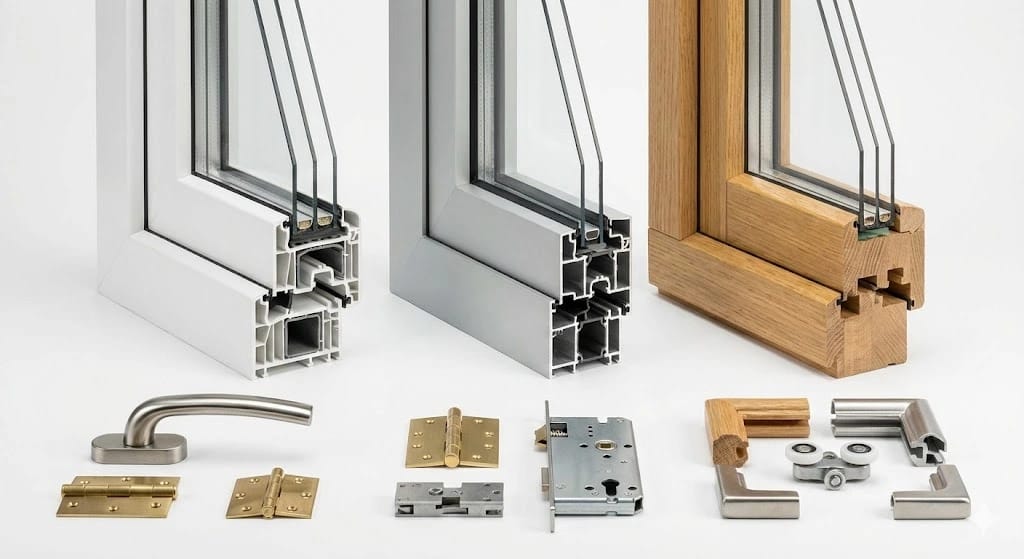
The frame material alone does not set a fixed adjustment schedule. Window construction, hardware, use and the actual condition of the mechanism are more important.
For PVC windows, the available corrections depend on the specific hardware system. We explain separately how PVC window adjustment works.
For aluminium windows, identifying the installed system is particularly important because different hinge-side and hardware constructions are used. See our guide to aluminium window adjustment.
With timber windows, the condition of the construction itself also matters in addition to the hardware. Here too, adjustment frequency should not be determined solely by frame material.
What should be checked during a periodic window inspection?
An inspection should primarily help distinguish an adjustment issue from wear or damage. Check opening and closing operation, fastening and condition of visible hardware components, unusual play, resistance and jamming.
Gaskets can be checked for cracks, missing sections, permanent deformation and other signs of deterioration. If the manufacturer specifies gasket maintenance, use products suitable for the gasket type and consistent with those recommendations.
Also pay attention to the insulated glass unit. Mist or moisture visible between panes is not a signal to adjust the hardware but a separate symptom requiring appropriate diagnosis.
When does adjustment require professional assessment?
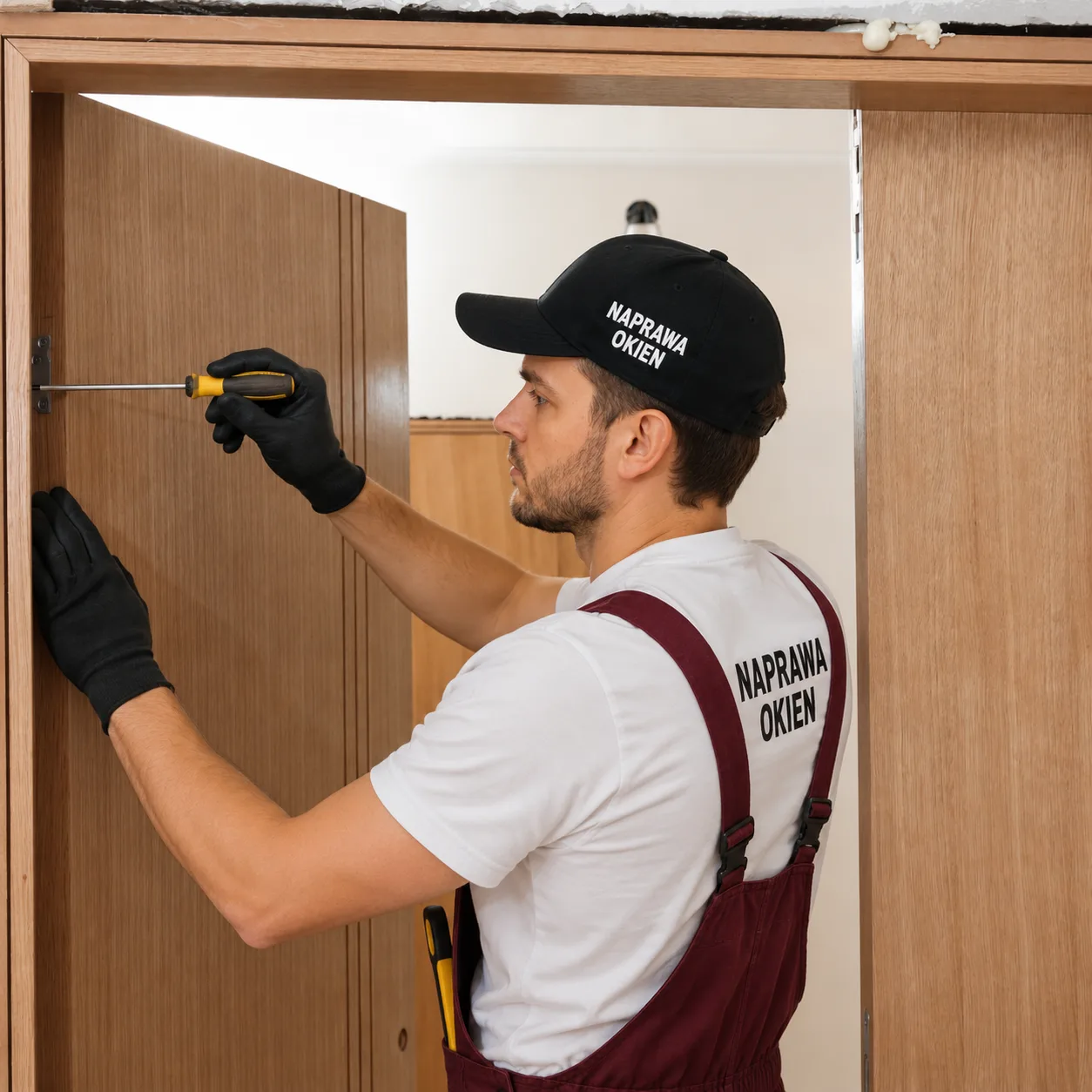
Professional diagnosis is appropriate when the system or adjustment points cannot be identified clearly, the mechanism has obvious play, a component is damaged, the window jams or a small correction makes operation worse. This also applies where the instructions for the specific system state that the work should be performed by qualified personnel.
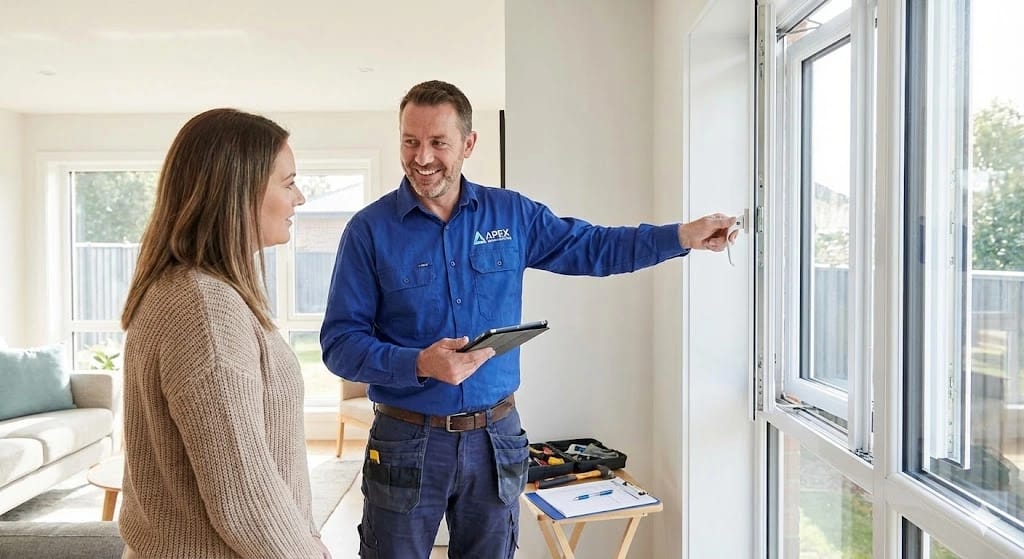
If the window has started operating differently and the cause cannot be identified clearly, diagnosis is a sensible starting point. We determine whether window adjustment, maintenance or window repair is needed. The initial diagnosis and technician's visit are free within the area we serve, and we explain the cost of required work before it begins.
A good inspection can end with the decision to adjust nothing
The purpose of an inspection is not to produce an adjustment, but to establish whether the way the window operates has actually changed and whether action is needed. If the sash works correctly, the hardware shows no problem and the manufacturer does not call for an additional maintenance task at that point, making no adjustment is a valid outcome. Respond to specific changes and guidance for the system rather than to the date on the calendar.