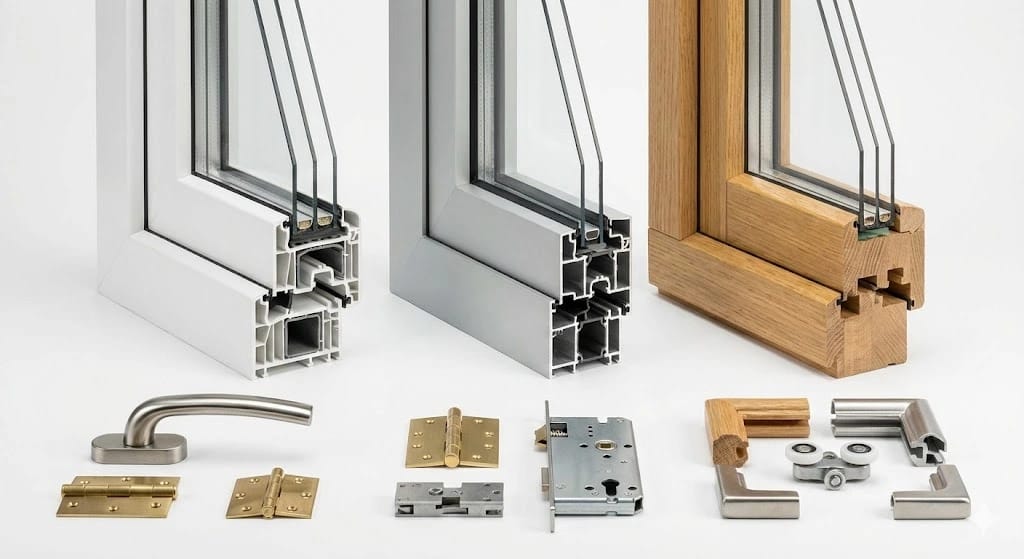
Before the heating season, it is worth checking whether the window opens and closes correctly, whether you can feel a draught, the condition of the gaskets and hardware, and whether the drainage openings remain clear. A pre-winter window service can help identify problems early and show whether simple maintenance is enough or whether adjustment or repair is needed.
The work should be determined by the condition of the individual window, not by the calendar alone. Some checks and routine maintenance can be carried out by the user. There is no need to adjust every sash or change hardware settings automatically simply because winter is approaching.
What does a pre-winter window service include?
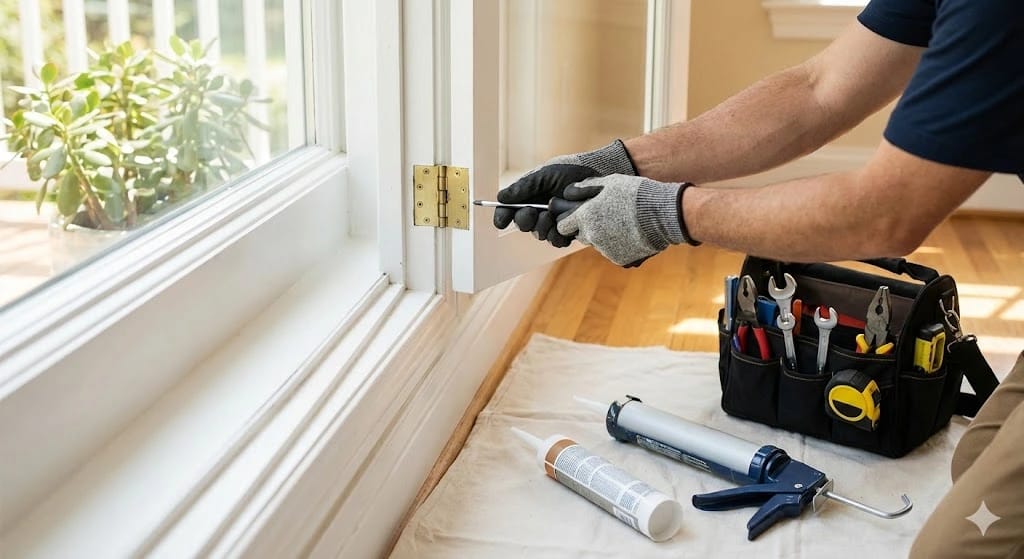
A pre-heating-season inspection can include checking how the sash closes, how the handle and hardware operate, the condition of the gaskets, the drainage openings and any places where air leakage may occur. If the manufacturer of the specific hardware system calls for periodic maintenance of selected components, that work should be carried out according to its instructions.
Compression adjustment, sash-geometry correction or gasket replacement should not be treated as mandatory parts of every autumn inspection. They are appropriate only when the condition of the window indicates that they are needed.
When is the best time to check windows before winter?
Early autumn is a convenient time, before the heating season is fully under way. It leaves time for a proper inspection and for any necessary repair if a problem is found. There is no universal deadline and no rule that every window must be serviced before the first frost.
The condition of the window matters more than the date. If the sash starts rubbing, the handle behaves differently, a draught appears or there is visible damage to the gasket or hardware, it is worth dealing with the issue regardless of the month.
What can you check yourself?
Does the sash open and close correctly?
Open and close the window a few times. Check whether the sash rubs against the frame, requires noticeably more force than before or whether the handle operates smoothly. If its operation has clearly changed, the sash alignment and hardware should be checked rather than assuming that more compression is needed.
Can you feel a draught when the window is closed?
If you can clearly feel a draught around a closed window, note where it is strongest. A draught between the sash and frame can have different causes from leakage around the frame-to-wall joint. The symptom alone is not enough to identify one specific repair.
What condition are the gaskets in?
Check for cracks, sections that have come out of their groove, local damage or obvious deformation. Hardness alone is not enough to decide that a gasket must be replaced. It also matters whether the gasket remains correctly seated and whether there is visible damage.
Are the drainage openings clear?
Check the accessible drainage openings and remove loose debris that could interfere with water drainage. Do not cover these openings with silicone, tape or other materials.
Is there any visible hardware damage?
Look for loose, cracked or clearly damaged components and for unusual handle operation. If you do not know the purpose of a particular adjustment point, do not change its position by trial and error.
How can you prepare windows safely for the heating season?
The simplest preparation is to clean the frame, sash and gasket area, check the accessible drainage openings and carry out only the maintenance tasks specified by the manufacturer of the particular system.
For hardware, check the manufacturer's instructions for lubrication points and the correct lubricant. Different systems can have different requirements, so one product should not be assumed to suit every mechanism. The same principle applies to gaskets: cleaning and care should follow the manufacturer's recommendations for the type of gasket used.
Do windows need compression adjustment before winter?
No, not if the window is working correctly. A change of season alone is not a reason to increase sash compression. Whether compression can be adjusted and how it should be done depends on the specific hardware system, and not every window needs a seasonal correction.
We explain what so-called winter mode means technically and when compression adjustment can make sense in our separate guide to winter–summer window adjustment. The correct adjustment method depends on the specific hardware system.
How do you seal a window for winter? Find the cause first
There is a draught between the sash and frame
The cause may involve compression, the gasket, sash geometry or hardware operation. Increasing compression should not be the automatic first response. We explain how to distinguish these causes in more detail in our guide to a draught from a window.
The sash rubs or no longer closes correctly
In that situation, sash geometry and the relevant hardware settings should be checked. Compression adjustment does not correct the cause of rubbing. If the problem persists, the window adjustment should be carried out according to the specific hardware system.
Air leakage is felt around the frame-to-wall joint
If a draught is noticeable where the frame meets the wall opening, that joint should be inspected. This does not automatically mean that adding silicone or another sealing material is the right solution — the source of the leakage should be identified first.
The gasket is damaged
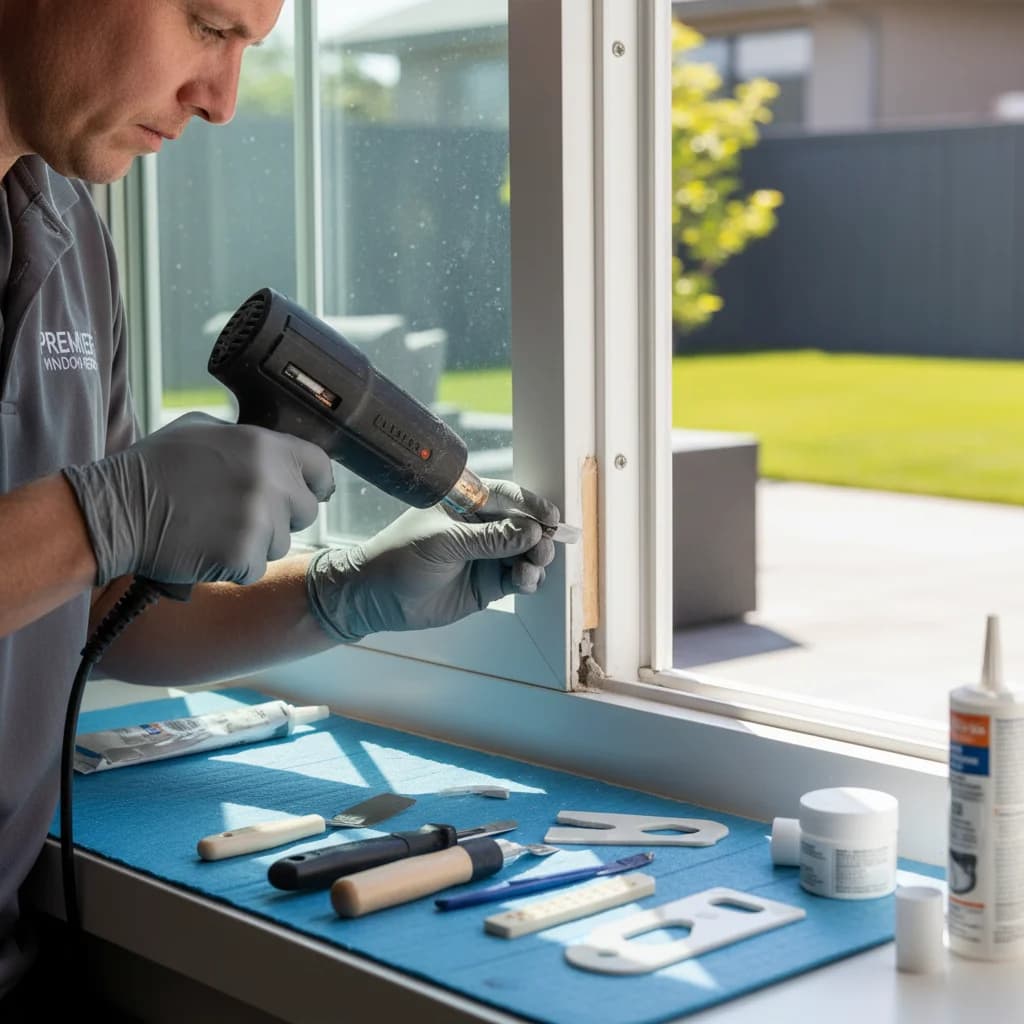
Cracks, missing sections, a gasket that has come out of its groove or permanent deformation are reasons to assess its condition. If replacement is needed, the correct profile and installation method matter. When it is unclear which gasket fits the window, it is safer to have it selected and replaced by a technician.
Condensation appears between the panes
If condensation appears between the panes, inside the insulating glass unit, the unit should be diagnosed. It is not a problem that can be solved by sash-compression adjustment or gasket maintenance.
What should you avoid when preparing windows for winter?
Do not adjust unknown hardware by trial and error. If you do not know the system or the purpose of a particular component, changing its setting can make the window operate worse.
Do not increase compression simply because winter is approaching. A correctly functioning window does not need an automatic seasonal “switch”.
Do not add extra self-adhesive seals before identifying the source of the leak. An additional seal will not solve the problem if the source of the leak is elsewhere.
Do not cover drainage openings. They should remain clear so that the system can drain water as designed.
Do not use random products on hardware or gaskets. Use products that are compatible with the manufacturer's instructions for the specific system.
How often do windows need maintenance?
There is no single interval that applies to every system, so the hardware and window manufacturer's instructions should be the starting point. Instructions from some manufacturers call for regular inspection and maintenance of selected components, often at least once a year.
This does not mean that every correctly functioning window needs a paid professional service visit every year. The user can carry out simple checks and any maintenance tasks the manufacturer assigns to the user. Professional service becomes more relevant when there is a closing problem, a draught, damaged hardware or a need for adjustment that cannot be carried out safely without specialist knowledge.
When is it worth calling a window service?
Professional help is worth considering when the sash rubs against the frame, the window no longer closes correctly, the handle has become noticeably harder to operate, a noticeable draught remains after basic checks, the gasket is damaged, a hardware component is visibly damaged or persistent condensation appears between the panes.
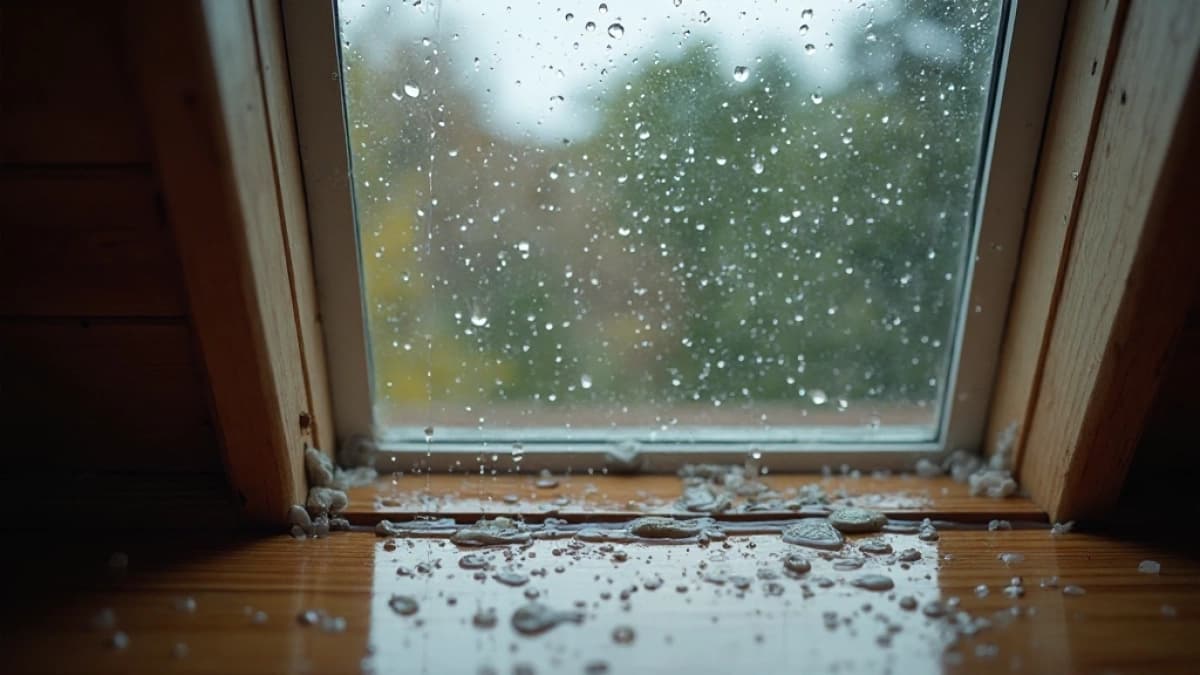
Damp or mould around a window also requires the source to be identified, but it does not always mean that the window itself is defective. Possible causes include ventilation, indoor humidity, thermal conditions around the opening or an installation issue. If the problem concerns the window or its hardware, the cause should be identified first and the scope of window repair chosen accordingly. The initial diagnosis and the technician's visit are free of charge.
Summary: check before winter — do not adjust “just in case”
Preparing windows for the heating season should start with a simple check of how they operate and what condition they are in. Clear drainage, correctly functioning hardware and undamaged gaskets matter more than automatically changing every window to a supposed winter setting. Follow the manufacturer's instructions for maintenance and adjust or replace components only when a specific symptom or diagnosis shows that it is necessary.
Related content
See also: how often to adjust windows. Initial diagnosis and travel are free of charge.