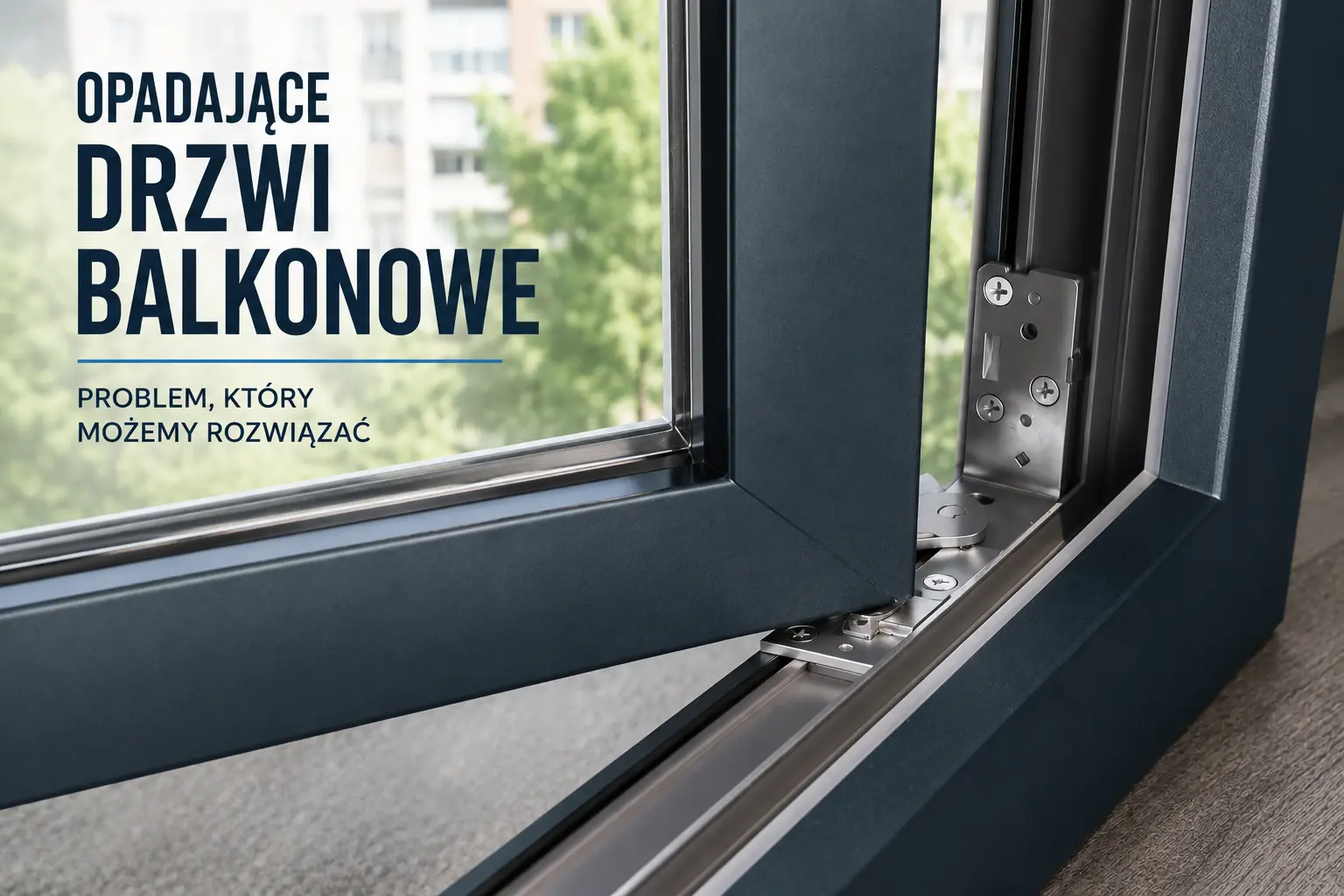
A balcony door that previously closed easily may begin rubbing its lower edge against the threshold, need to be lifted when closing, or create noticeable resistance during handle movement. This is commonly described as a “sagging” sash.
That describes the symptom, but it is not yet a diagnosis. A change in how the door operates may relate to the sash position relative to the frame, hardware setting or condition, construction geometry, or damage to a specific component.
Before adjustment, it is therefore useful to establish exactly where contact or resistance occurs and how the sash behaves throughout its movement. If the components are functional and the problem falls within the adjustment range of the system, setting correction may be enough. If the cause is damage or the problem lies beyond that range, repair is needed.
How to tell that the sash position may have changed
One of the clearest signs is new contact between the sash and the threshold or frame. The door may begin scraping as it opens, need slight lifting before it closes, or leave rub marks on the profile or frame. An uneven gap between sash and frame may also become visible after closing.
The location of the rubbing matters. Contact at the lower edge, a problem on the handle side and an uneven gap near the upper part of the sash are different observations, so diagnosis considers not only whether the door rubs but also where it happens and how the door behaves while opening and closing.
Unusual sounds, handle resistance or a draught are also useful information, but they do not identify a damaged component on their own. A draught, for example, may relate to sash position, contact with the seal or hardware setting.
Not every door that is hard to close is “sagging”. If the sash does not rub against the frame or threshold and the problem mainly concerns closing or handle operation, the mechanism and locking points need a broader assessment.
Where the problem can come from
The cause may involve sash setting, hardware, sash or frame geometry, the way the door was installed, or damage to a specific component. The age of the door alone does not establish which of these areas is responsible for the symptom.
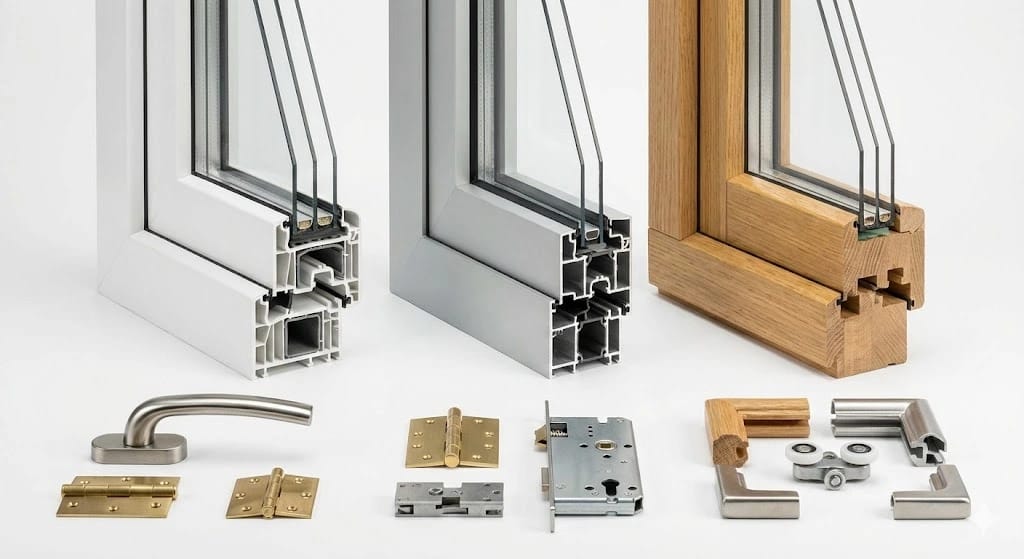
During assessment, it matters whether the sash retains the correct geometry, whether locking points interact correctly with their corresponding keeps, whether hinges and other hardware components operate without excessive play, and whether the frame is correctly positioned. Only the combination of these observations shows whether the setting should be corrected, a component repaired, or the source sought outside the hardware itself.
Rubbing against the threshold therefore does not automatically mean a worn hinge. If the problem comes from frame geometry or the way the door is installed, correcting one hardware component may not remove the cause.
Why the geometry of the whole balcony-door sash matters
Balcony doors usually have a larger sash than a typical window. With this type of construction, a small change in position can become noticeable at the opposite edge — for example as contact with the threshold, harder engagement of locking components with their keeps, or uneven contact between sash and seal.
Assessment should therefore not be limited to one hinge. The relative position of sash and frame and the way the door interacts with its hardware during closing are checked. This helps distinguish a problem that falls within the adjustment range from one requiring component repair or a broader correction.
What balcony-door adjustment may include
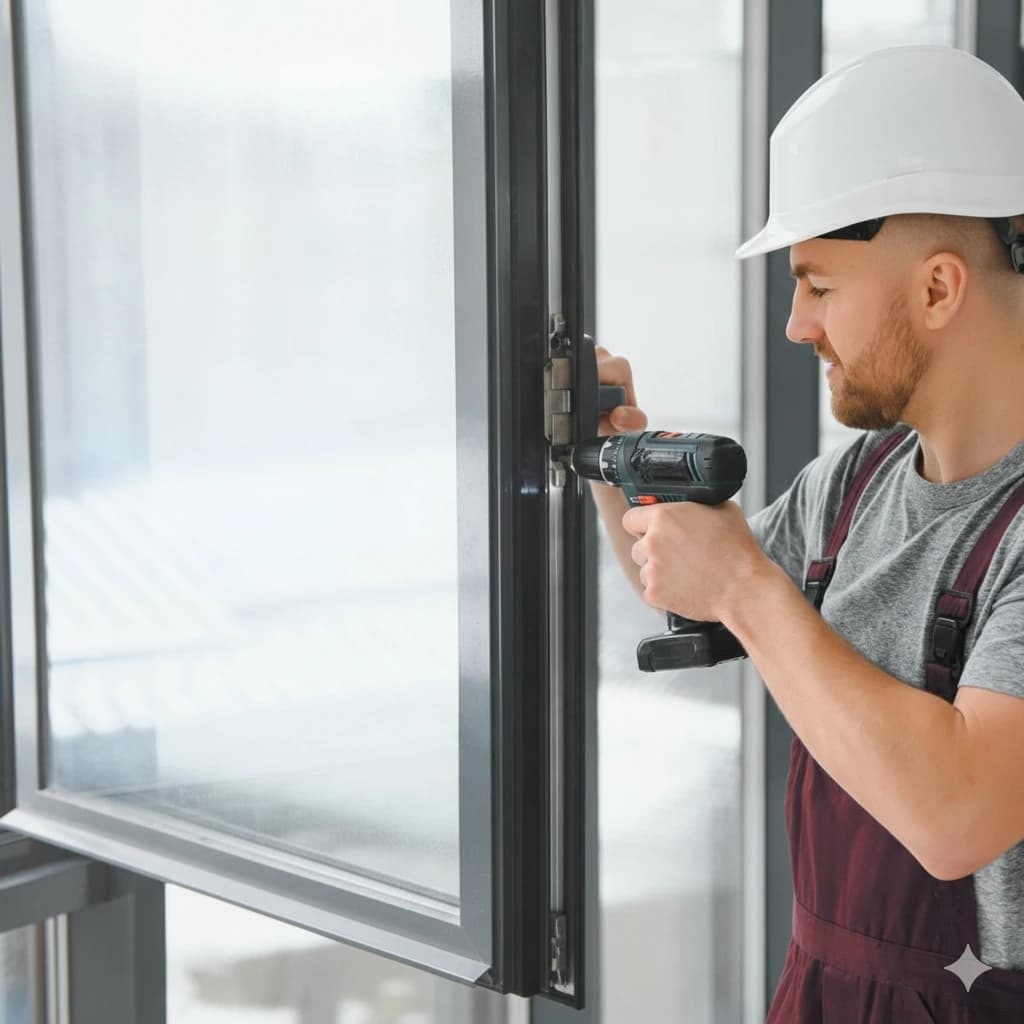
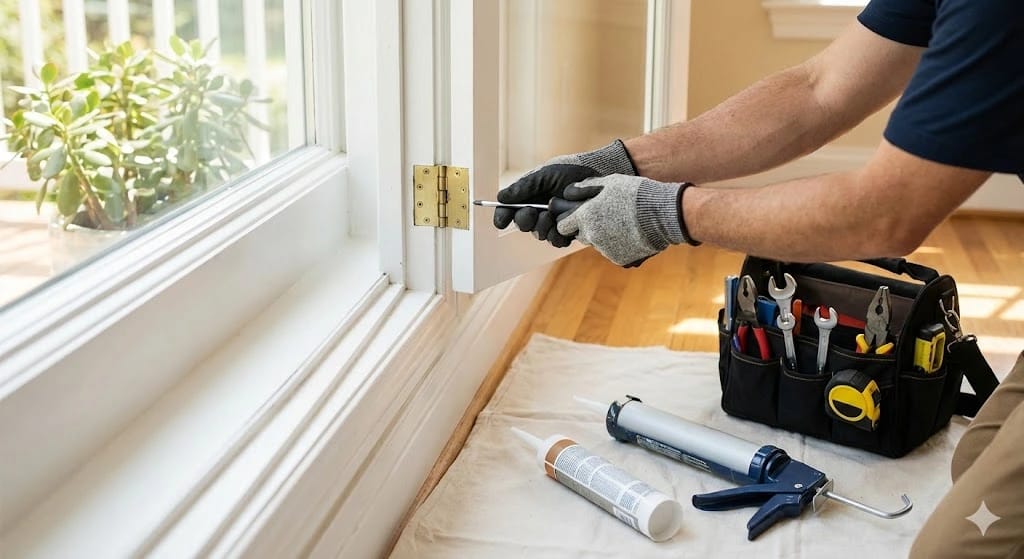
The adjustment range depends on the hardware system used. The term “3D adjustment” is used for systems whose design allows sash position to be corrected in several directions. It does not describe one universal procedure — the scope and method depend on the specific system.
The aim of adjustment is not simply to “lift” the sash. After a correct adjustment, the door should move without unwanted contact with the frame or threshold, while closing components should interact correctly with their corresponding points in the frame.
If diagnosis confirms that the components are functional and sash position can be corrected within the intended range, adjustment may restore proper operation without replacing parts.
More information about the service is available on our balcony door adjustment page.
When adjustment alone may not be enough
Adjustment will not solve a problem caused by damage requiring repair or when the condition of the construction lies beyond the correction range intended for the system.
This includes, among other things, a cracked or bent hardware component, excessive play that cannot be corrected, damage to the closing mechanism, or permanent deformation of a structural element. Seal condition is assessed separately — a leaking door does not by itself mean the seal needs replacement.
With older systems, the ability to source a compatible replacement component also matters. The repair scope can therefore be determined only after identifying the hardware used and assessing its condition.
Damage to one component does not mean the whole door must be replaced. The decision depends on construction condition, damage scope, adjustment possibilities and the availability of suitable parts.
Adjustment is not just about “lifting” the door
When a sash rubs against the threshold, it is natural to think that it simply needs to be lifted. In practice, the position of the entire sash relative to the frame and the interaction of several hardware points matter.
Correcting one parameter without checking the others can change how the sash contacts the frame elsewhere. Proper adjustment therefore starts with assessing geometry and door operation rather than changing one setting at random.
What to do when the door rubs or is hard to close
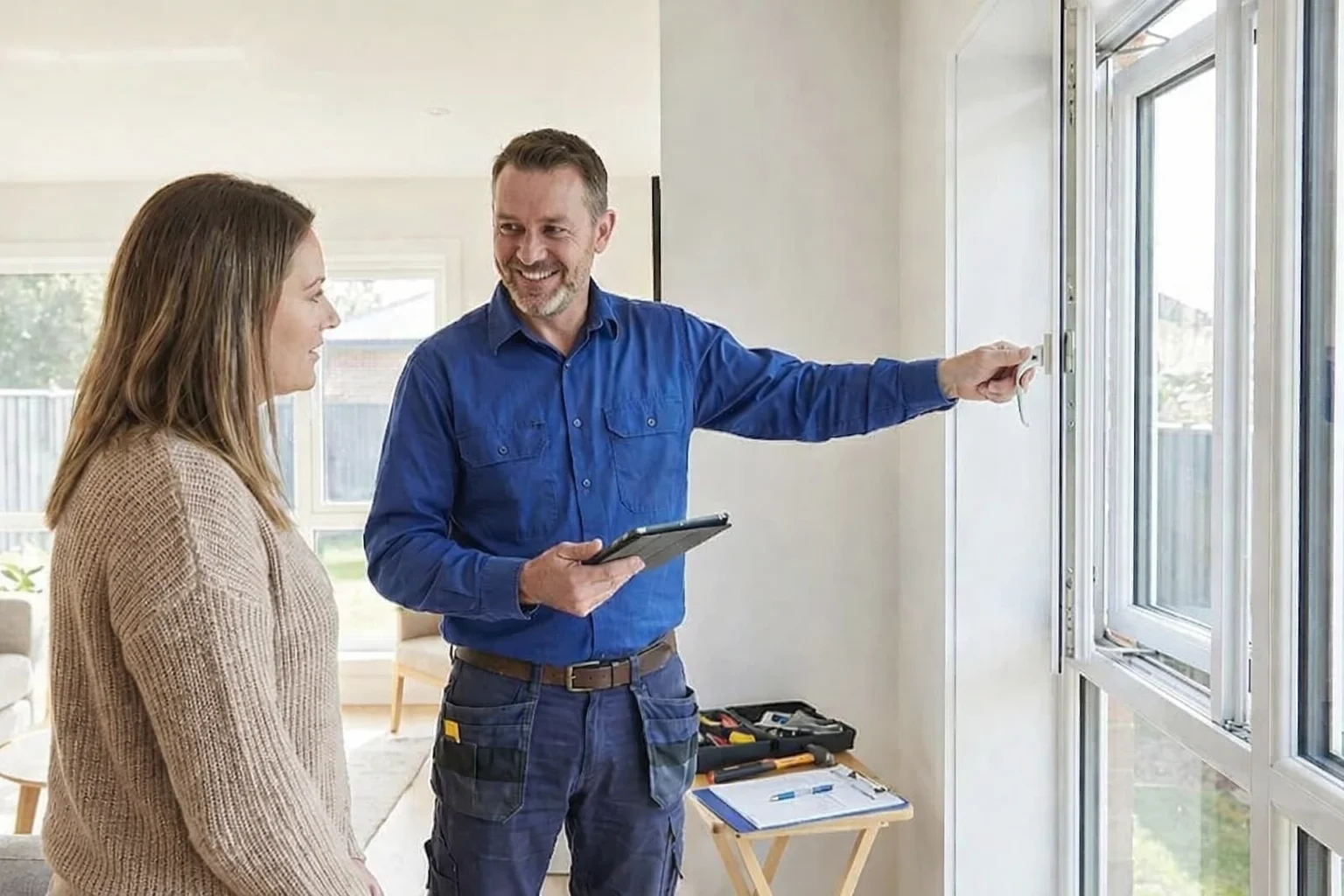
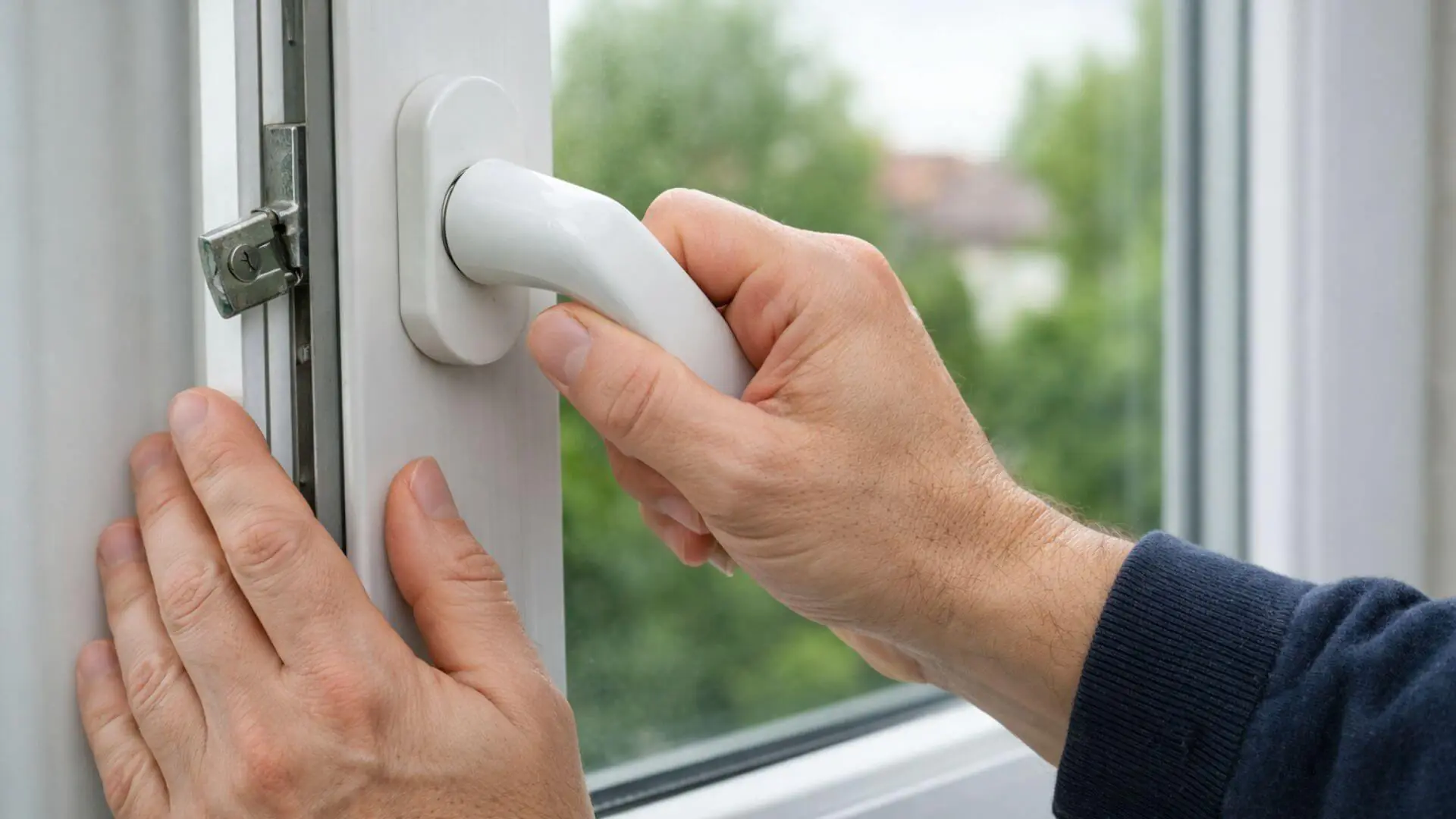
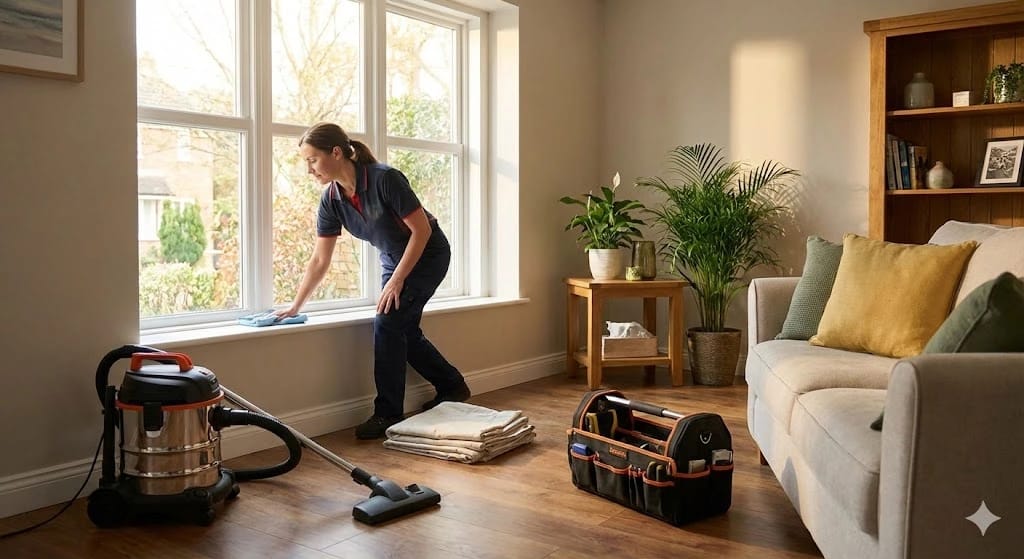
If the door starts clearly rubbing against the threshold, needs more force to close, or the handle operates differently than before, it is better not to keep forcing it for long. Before a technician visits, note where the sash rubs, at what stage of movement resistance appears, and whether adjustment or repair has previously been carried out.
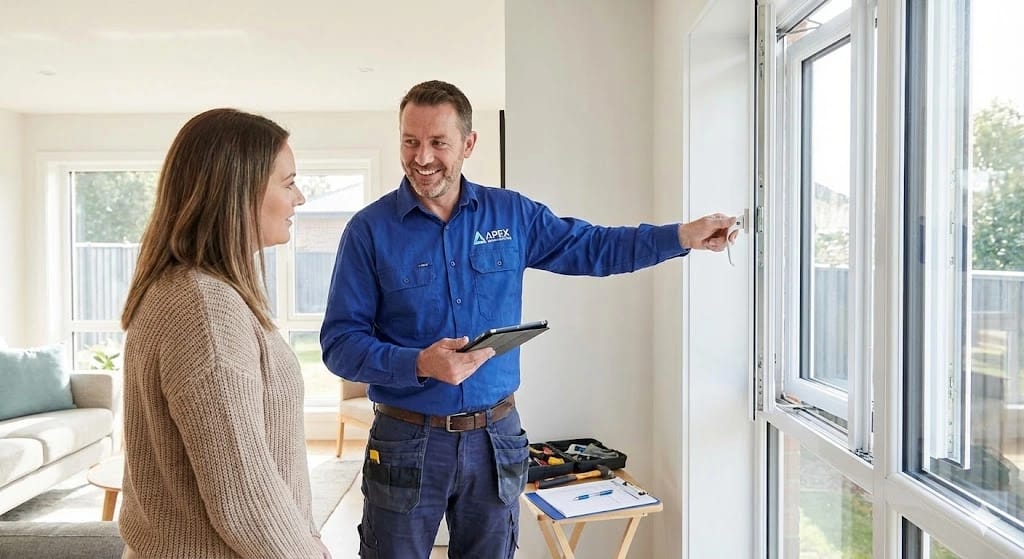
During diagnosis, we check the sash position relative to the frame, hardware operation and the places where resistance or rubbing occurs. On that basis, we determine whether adjustment is enough or a specific component needs repair.
As part of our balcony door repair service, the work scope is matched to the actual condition of the sash and the hardware system used. The initial diagnosis and technician's visit are free within the area we serve.
Identify the cause before deciding the repair scope
With a sagging balcony door, the key is to establish what changed the sash position or the way it operates. Rubbing against the threshold alone does not tell you whether hinge adjustment, correction of other hardware components or repair is needed.
Only after checking geometry, hardware and the interaction between sash and frame can the appropriate solution be selected for the specific system.
Related content and services
Work on sagging balcony doors can include balcony door repair, balcony door adjustment or mechanism replacement. For similar issues with sliding doors, see HST sliding door repair. Initial diagnosis and travel are free of charge.