In Warsaw, the same building can contain several generations of windows: original constructions, windows replaced many years ago and recently installed units after individual apartment renovations. Diagnosis should therefore start with what window is actually installed, roughly when it was fitted, and whether the problem is in the sash or around the frame-to-building connection.
First question: what window is actually in the apartment?
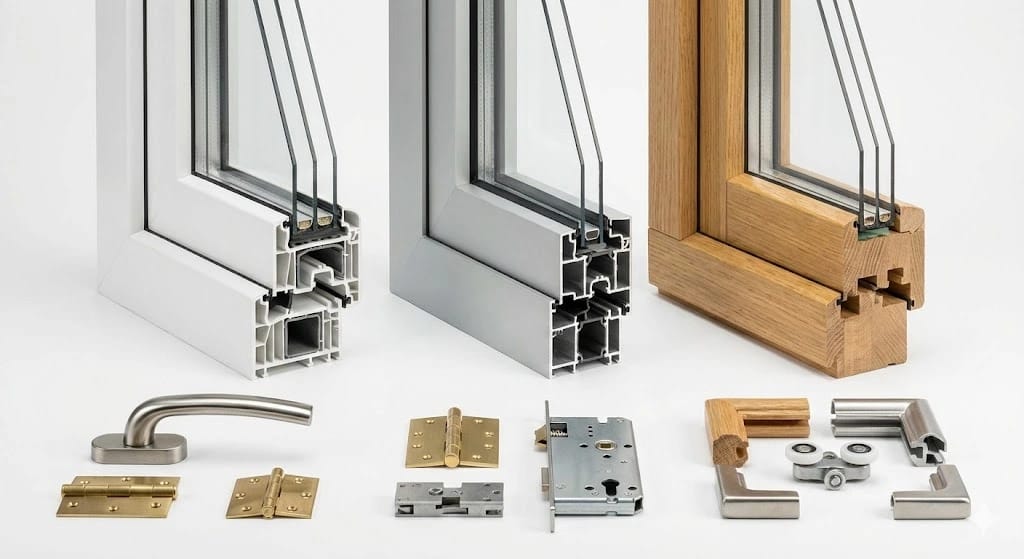
A tenement building, a large-panel block and a newer development can all contain very different windows. The age of the building does not tell you the age of the window. Establish the material and construction, approximate age, visible hardware markings and known history of previous work.
Second question: is the problem in the sash or around the frame?
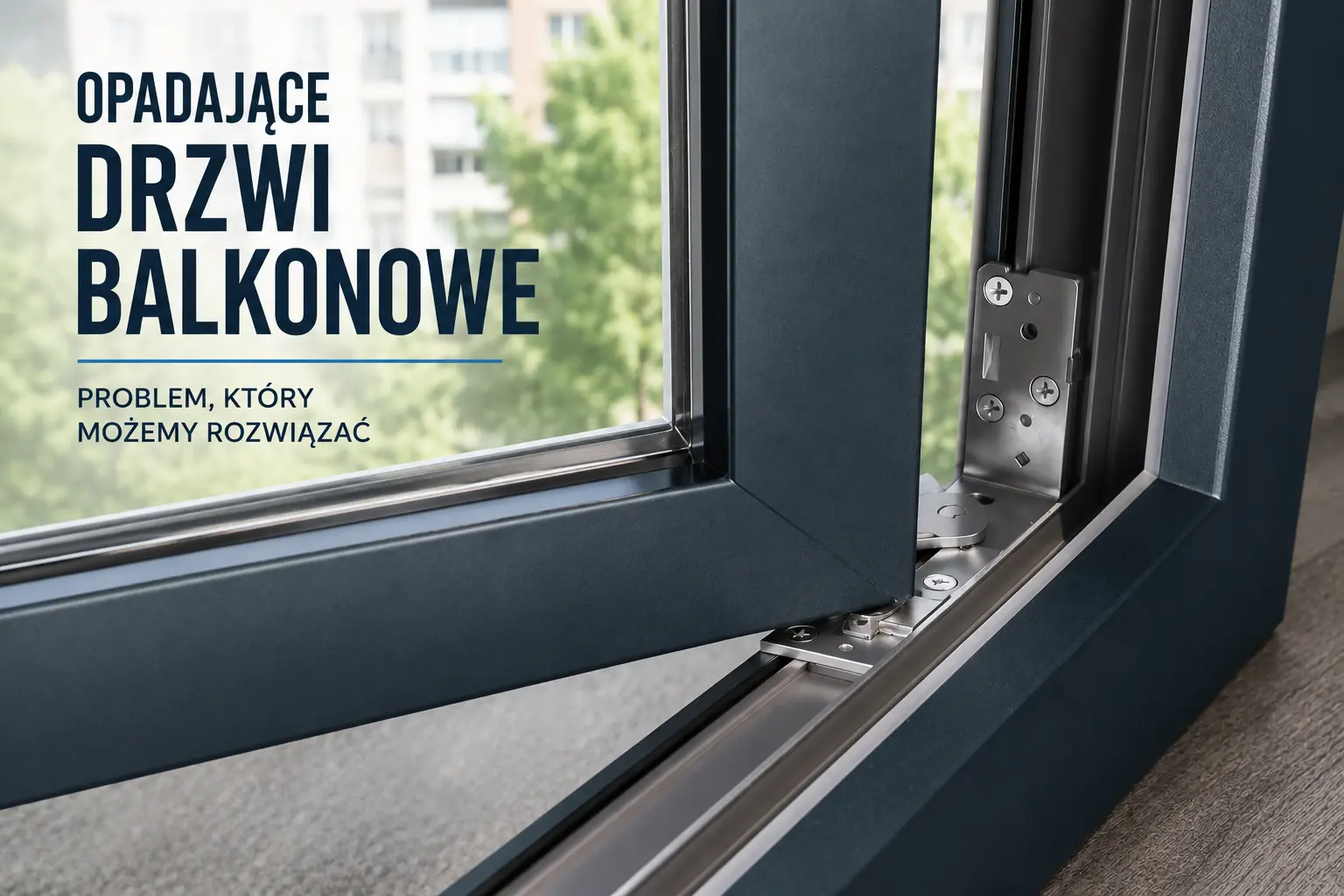
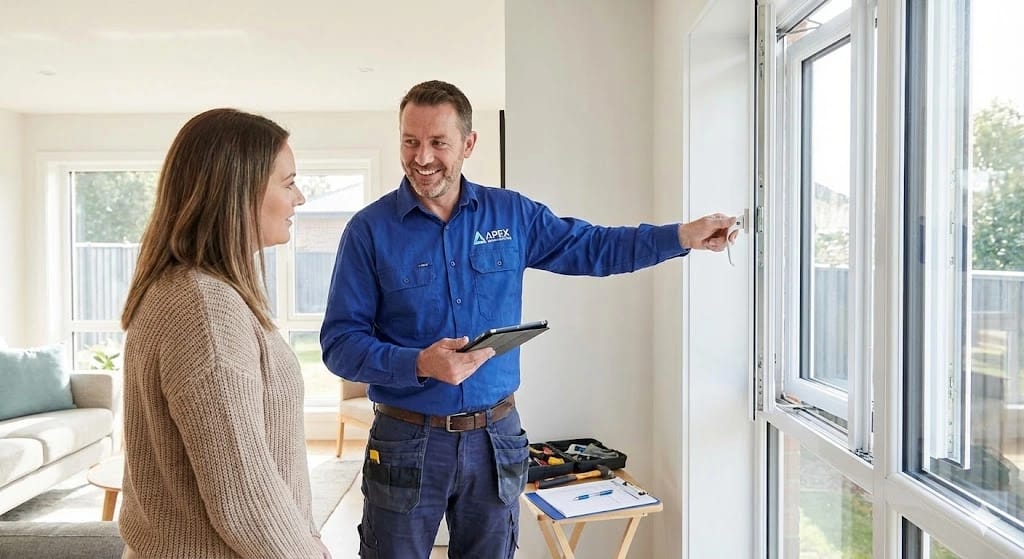
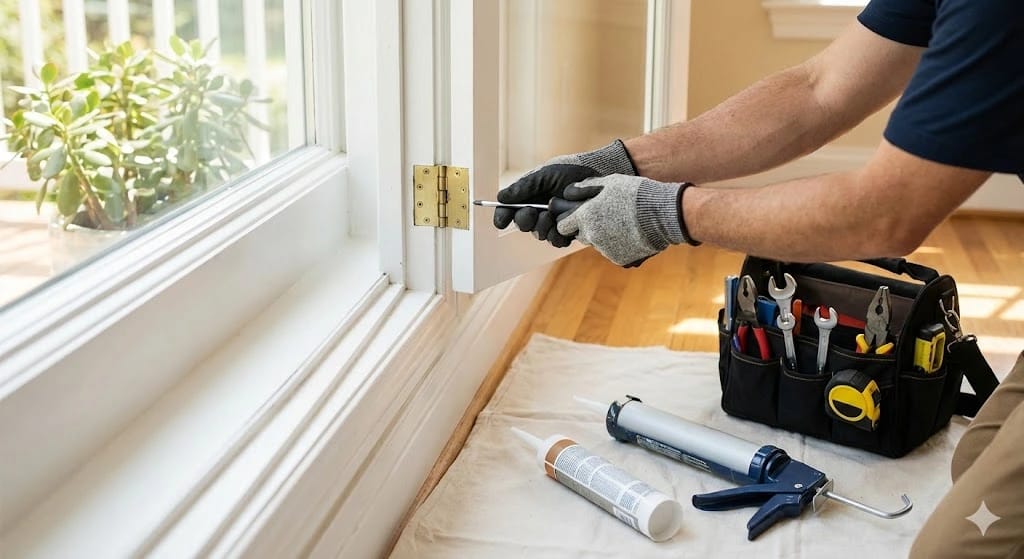
Rubbing, changed handle operation and closing problems usually direct attention to the sash and hardware. Moisture, cold spots or water traces at the frame-to-reveal junction require the window-to-building connection to be considered as well. A sash seal and the frame-to-wall joint are different locations and require different solutions.
Large-panel buildings: replacement history can matter more than the building type
There is no single “typical window” in a large-panel estate. Different apartments may have windows from different periods and with different repair histories. For more context see windows in large-panel buildings. If moisture is the main issue, see our guide to condensation and moisture on windows.
Tenement buildings: do not assume the material or installation from the address
Older buildings may contain original timber windows as well as later PVC replacements. The material, installation method, reveal condition and history of previous sealing work can all differ. “A window in a tenement building” is therefore context, not a diagnosis.
Newer buildings: newer age does not rule out a local problem
A newer apartment can still have sash rubbing, a local draught, handle problems or moisture around the reveal. A shorter service life does not prove that adjustment is the only solution. The location and nature of the symptom still matter.
Previous repair history: four details that genuinely help
Before the visit, note whether the same symptom has been adjusted before, whether seals were recently replaced, whether glazing or hardware components were changed, and whether work was carried out around the reveal or frame-to-wall joint. This history can prevent the diagnosis from starting from a false assumption.
A recurring symptom after an earlier intervention does not automatically mean that the previous work was wrong, but it is important information: the technician can check whether the same cause returned, another component is now involved or the earlier work addressed only part of the problem.
How to read common symptoms in this context
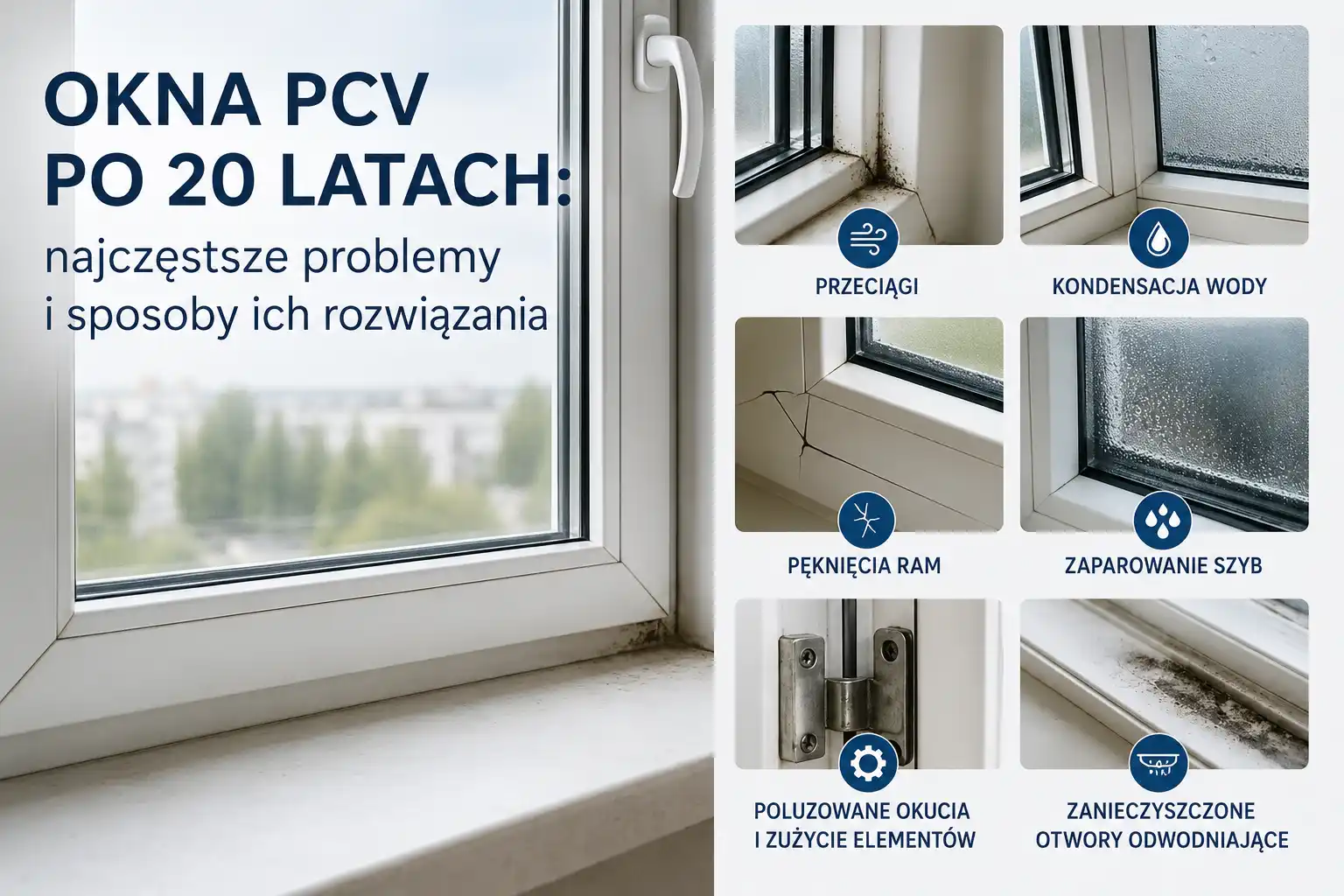
Stiffer handle or difficult closing: note when the resistance appears and whether the sash rubs. Local draught: identify the exact edge; the cause may be the seal, sash position, hardware or another joint. See our guide to draughts, sealing and gasket replacement. Moisture around the reveal: note whether it follows rain, low temperatures or occurs independently. Fogging between panes: this is different from room-side condensation.
When local context really changes the diagnostic approach
Warsaw context is useful mainly because it highlights the history of the building and its windows: different replacement periods, materials, installation methods and previous repairs. It does not create a special “Warsaw fault”. Two similar symptoms in different districts can have different causes, just as two windows in the same building can require different work.
How to prepare a window service request in Warsaw
Provide the building type where relevant, approximate window age, exact symptom and location, and useful photos. For moisture, note when it appears; for mechanism problems, photograph visible hardware markings. Local coverage is described on our window repair in Warsaw page.
What to do before the season if the window works correctly
If there is no specific fault, there is no need to turn a seasonal check into an automatic repair. Preventive tasks are covered separately in our window service before winter guide.
The key rule for Warsaw
Establish the history of the individual window and the location of the problem before choosing a repair. The district and building type are context. The scope should follow the construction, installation, component condition and actual cause.