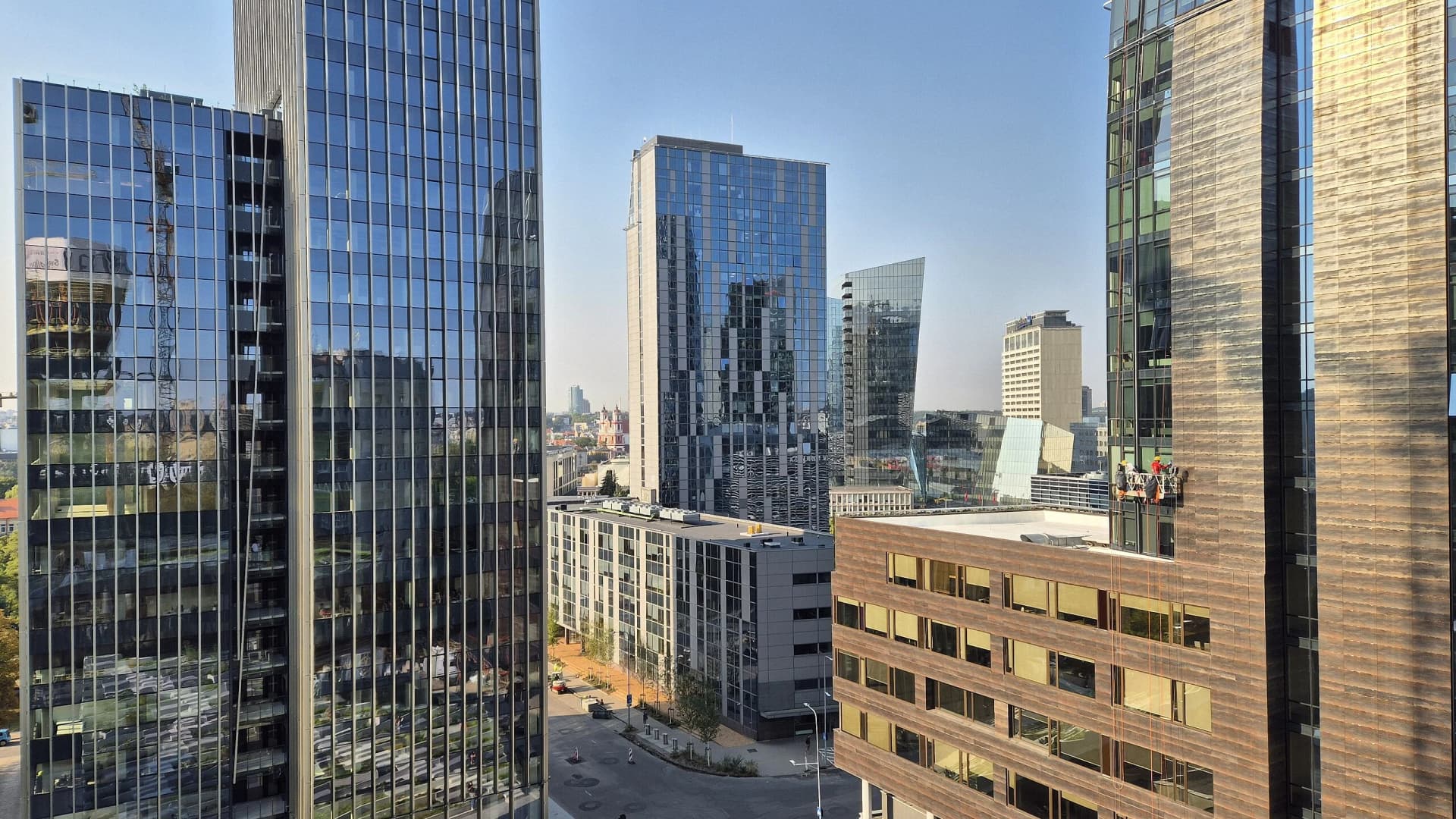
Windows in Gdańsk, Gdynia and Sopot may work under different conditions from windows in more sheltered locations. Exposure to wind and rain and the environment around metal components can matter. That does not mean every window in the Tricity needs more frequent servicing or develops the same faults.
Two windows in the same city can be exposed to very different conditions. Façade exposure, shelter around the building, window construction, materials and the actual condition of the window all matter.
The coastal climate is context for diagnosis, not a diagnosis by itself. An address can suggest what to look at more closely; it does not tell you what is broken.
What coastal location can really change
For a window, the conditions around the specific building matter more than the city name alone. A window on a sheltered elevation may operate in different conditions from one more exposed to wind and rain, even when both are in Gdańsk.
The environment around metal components. In a coastal location, the condition of corrosion protection on metal parts may deserve closer attention. If new deposits, discolouration or corrosion appear on visible hardware, assess the extent of the change and how the mechanism is working.
Wind and rain. Wind can increase the pressure difference across a window and make an existing air leak more noticeable. With rain, it can also help reveal a problem that does not appear in calm weather.
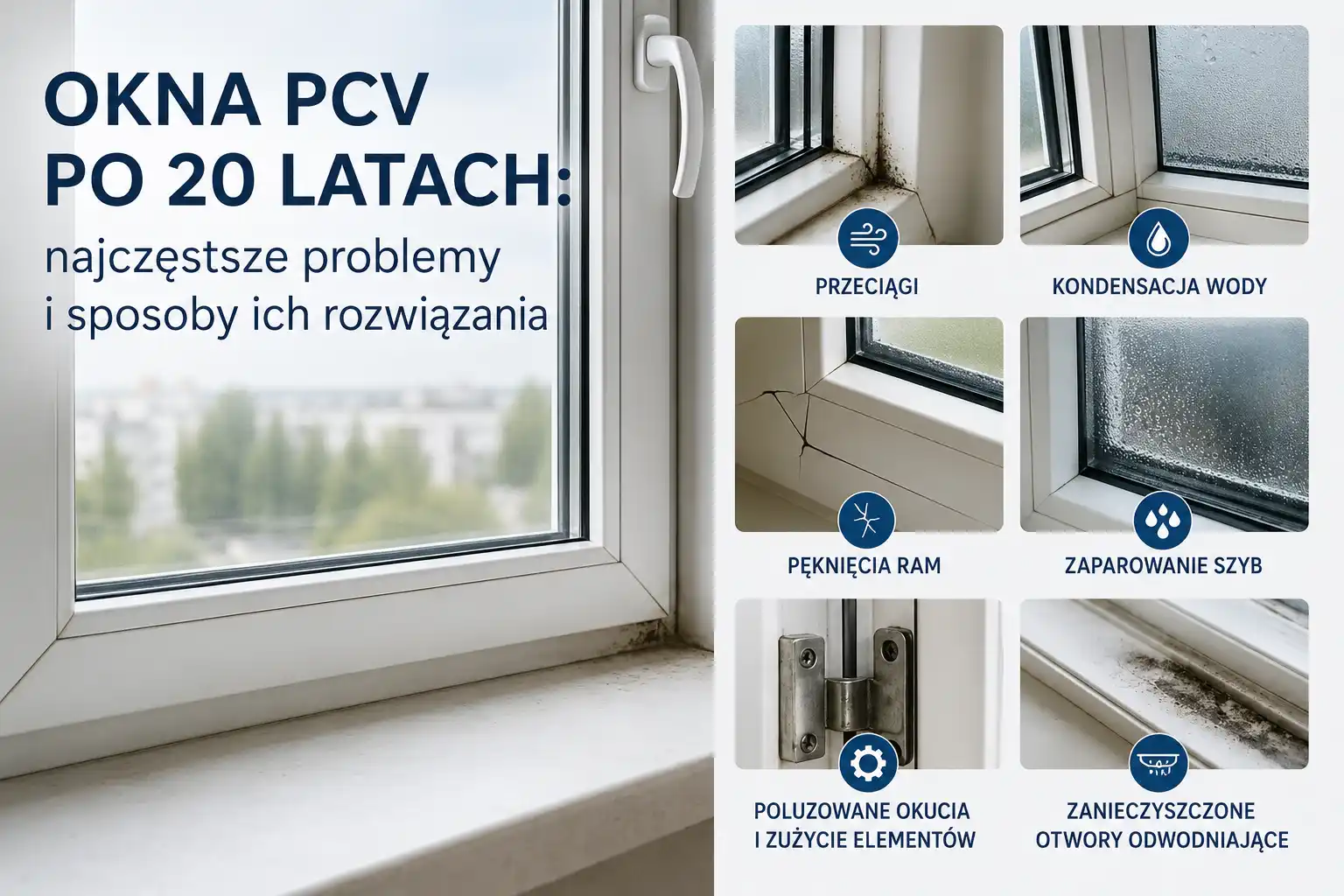
Moisture. Moisture visible near a window is not automatically a result of the “coastal climate”. Condensation, water ingress from outside and an issue at the window-to-building junction are different possibilities.
Local conditions can change how a problem shows itself. They do not replace identifying its source.
Salt and metal components: what to look for
A coastal environment can make corrosion protection of metal components more important. The actual condition of hardware still depends on its material, protective finish, construction and the exposure of the specific window.
During inspection, look for:
— new deposits or discolouration,
— local damage to protective finishes,
— visible corrosion spots,
— changes in the way a component operates,
— resistance or instability that was not present before.
Being near the sea does not by itself mean metal components need replacing.
A deposit on hardware does not automatically mean the mechanism needs replacing
A surface deposit, discolouration and corrosion that affects the condition of a component are different situations. Appearance alone is therefore not enough to decide on replacing the mechanism.
The extent of the change, the condition of the protective layer and whether the component still works correctly all need to be checked.
Do not remove deposits with a random aggressive chemical or abrasive material. Cleaning and maintenance should follow the guidance for the specific system so that the protective finish is not damaged.
Do seals need replacing more often by the sea?
There is no separate replacement schedule simply because a window is in Gdańsk, Gdynia or Sopot. The actual condition of the seal and the manufacturer's guidance should determine the decision.
Check elasticity, continuity, cracking, permanent deformation and how the seal sits against the frame.
The city is not the replacement criterion. The seal's condition is.
Strong wind can reveal a leak — it does not mean compression should be increased
If a draught becomes clearly noticeable during strong wind, that is useful diagnostic information. It does not automatically mean the sash has insufficient compression.
The cause may involve the sealing, sash alignment, a local air leak or another connection detail. First establish where the air is actually entering.
A draught is a symptom of leakage, not a diagnosis of a worn seal or insufficient compression.
More about locating the problem is available in our guide on what to do when a window is draughty.
Moisture during wind-driven rain: remember the conditions, do not guess the source
If moisture marks appear only during heavy rain combined with wind, note that relationship. It helps reproduce the conditions in which the problem occurs but still does not identify the exact leakage point.
The place where moisture becomes visible is not always the place where water entered the construction.
Moisture at the reveal may relate to the window itself, its connection to the building or condensation. A wet corner alone is not a diagnosis of a frame or seal fault.
What if moisture appears without rain?
If the issue also appears without rainfall, particularly in cold weather, condensation should also be considered. Surface temperature, indoor humidity and ventilation then become relevant.
More is explained in our guide to condensation and moisture on windows.
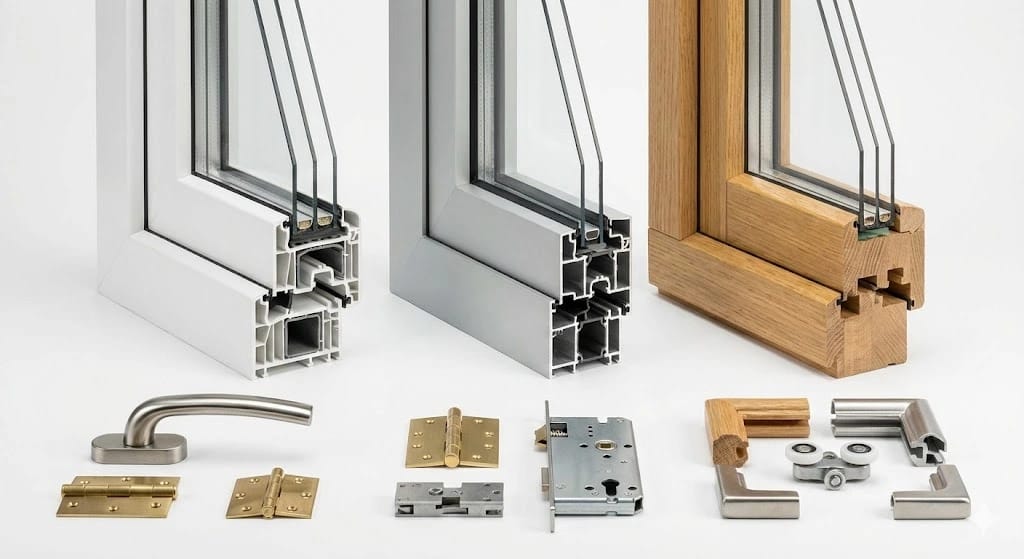
PVC, aluminium and timber do not respond in exactly the same way
PVC windows. The PVC profile itself does not corrode like a metal component, but the window still contains hardware, seals and joints that need separate assessment.
Aluminium windows. The condition of protective finishes, joints and hardware matters. A visible change on one metal component does not automatically mean a problem with the whole profile.
Timber windows. The continuity of the protective coating and the condition of the material beneath it become particularly important. Coating damage does not automatically mean structural timber damage, but exposed areas are worth assessing before deterioration progresses.
The same coastal address does not mean the same inspection points for PVC, aluminium and timber.
How often should windows in Gdańsk and the Tricity be checked?
There is no single “coastal” service interval that suits every window. Different hardware systems, materials and constructions may have their own requirements, so the manufacturer's guidance should be the first reference point.
Beyond scheduled maintenance, react to a change in the window's condition or operation: new handle resistance, sash rubbing, leakage, corrosion marks, coating damage or the appearance of moisture.
The calendar is a reference point. The condition of the specific window determines whether an additional check is needed.
Why two windows in Gdańsk may need completely different attention
The city alone does not define a window's exposure. Façade direction and shelter, the building surroundings, its construction, installation and use all matter.
There is therefore no reason to assume that every window in Gdańsk, Sopot or Gdynia should follow one local service schedule.
Which problems may require repair
Coastal conditions are only one part of the context. The repair scope still comes from the specific fault.
Repair may be needed when:
— the sash rubs or does not close correctly,
— the handle or mechanism develops unusual resistance,
— there is a local air or water leak,
— the seal is damaged or does not sit correctly,
— a hardware component is damaged or unstable,
— the insulated glass unit has lost its seal and mist remains between the panes.
Whether adjustment, seal replacement, hardware repair or another intervention is appropriate should follow diagnosis, not simply the fact that the building is near the sea.
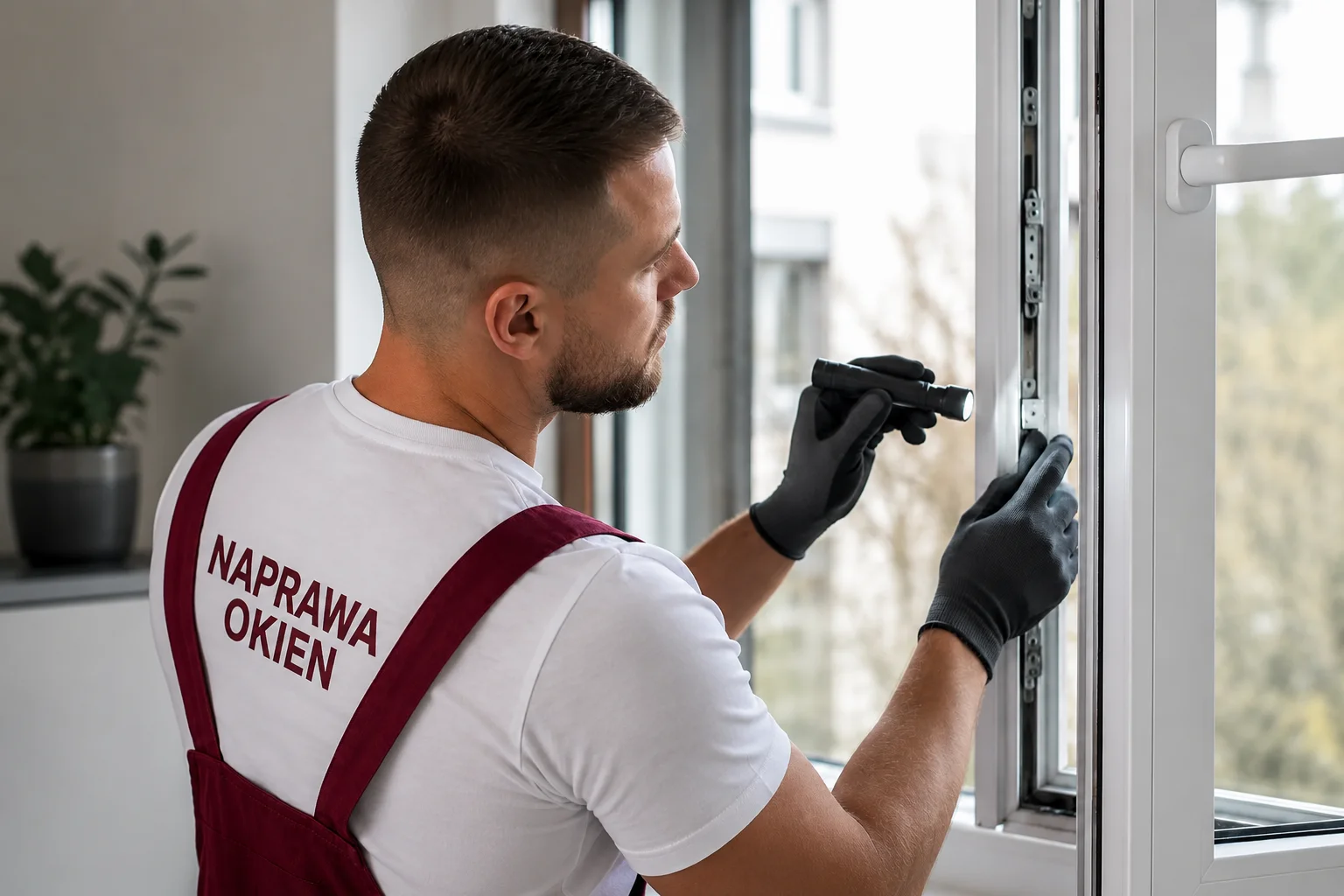
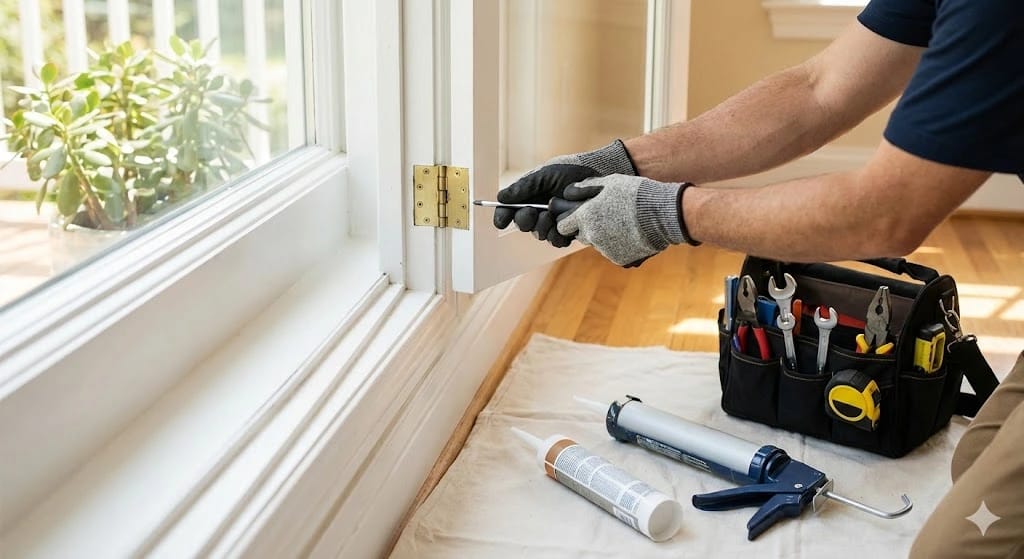
As part of our window repair service, we first identify the source of the problem and then match the repair scope to the specific window.
What you can check yourself
Without dismantling anything, you can:
— note the weather conditions in which draught or moisture appears,
— check where the sash rubs,
— inspect visible hardware components,
— check seals for cracks, permanent deformation or local detachment,
— photograph deposits or corrosion and see whether the change progresses,
— check whether the window closes and locks correctly.
Do not increase sash compression simply because you feel a draught during wind, replace seals according to a “coastal calendar”, or aggressively clean metal components without checking the manufacturer's guidance.
When to arrange service — and when not to delay diagnosis
Arrange service when:
— the sash has started rubbing,
— the handle or mechanism works differently from before,
— a draught regularly appears under particular conditions,
— new surface changes appear on metal components,
— a seal is cracked, deformed or locally detached.
Do not delay diagnosis when:
— water is actively entering the interior,
— the window cannot be closed or locked correctly,
— a hardware component has become unstable,
— corrosion is clear and accompanied by poorer mechanism operation,
— the glass or another structural component is damaged.
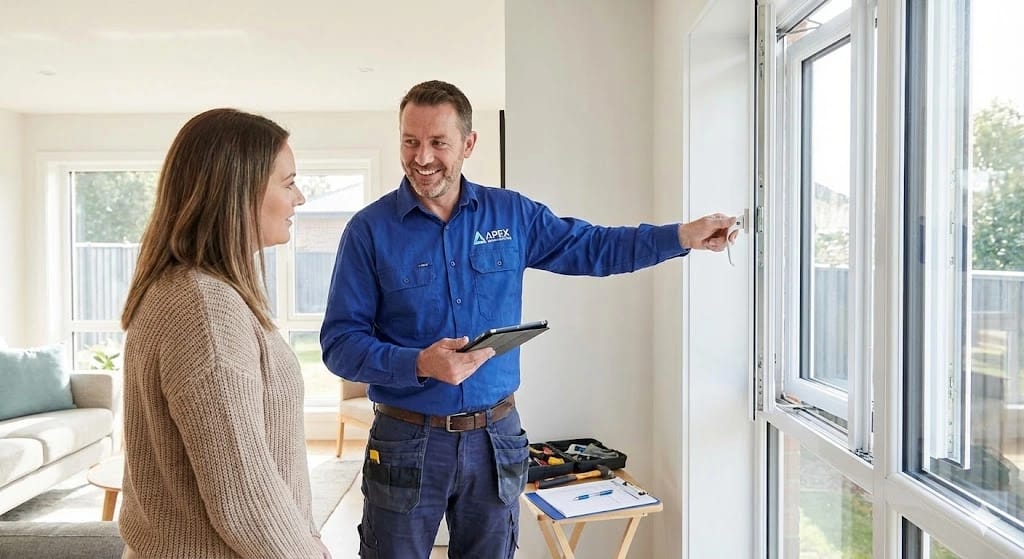
The initial diagnosis and technician's visit are free in Gdańsk, Gdynia and Sopot as well. Before work begins, we explain the repair scope and cost.
The key point: location provides context, the window's condition provides the answer
Coastal conditions are worth considering, but they should not be turned into a ready-made diagnosis. Salt and the external environment may matter for metal components, wind may reveal an existing leak, and the way moisture appears may help narrow the direction of diagnosis.
None of those signals tells you by itself which part needs replacing or adjustment. The repair scope should follow the real condition of the specific window.
The coastal climate is context for diagnosis, not a diagnosis by itself.