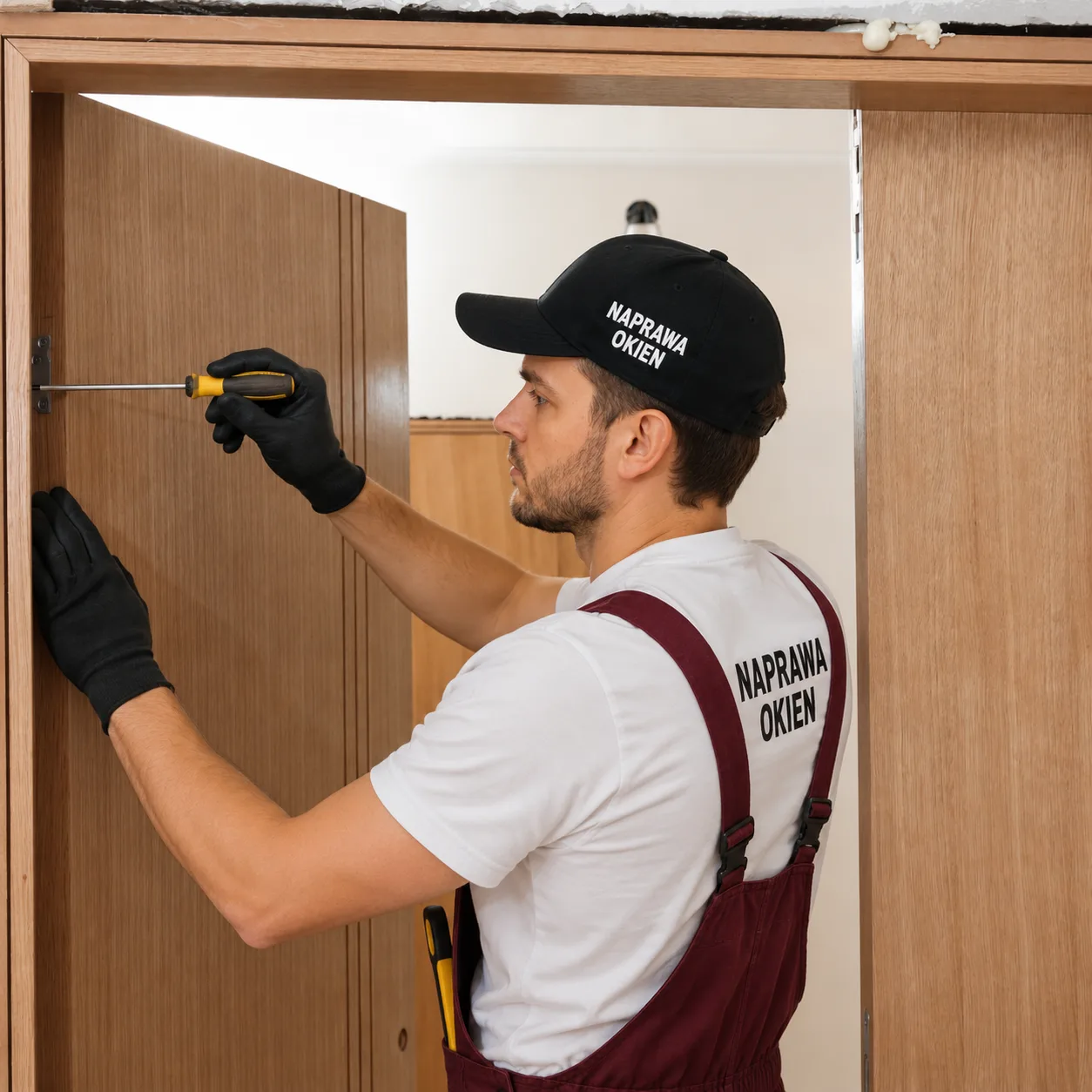
A window that does not close correctly may interact poorly with the frame, require more force when closing, or fail to reach the position in which the mechanism works as it did before. The symptom alone does not tell you whether adjustment is enough or repair is needed.
Adjustment is primarily used to correct the setting of functional components. If the cause is mechanical damage, permanent deformation or a problem beyond the adjustment range, repair or replacement of a specific component may be needed.
Before deciding on the scope of work, it is worth determining whether the issue concerns sash position, hardware operation, contact between sash and frame, the seal, or another part of the construction.
What can cause a closing problem
Incorrect closing can have several causes. The sash may change position relative to the frame, locking components may stop working together correctly, the mechanism may develop greater resistance, or a component may be damaged.
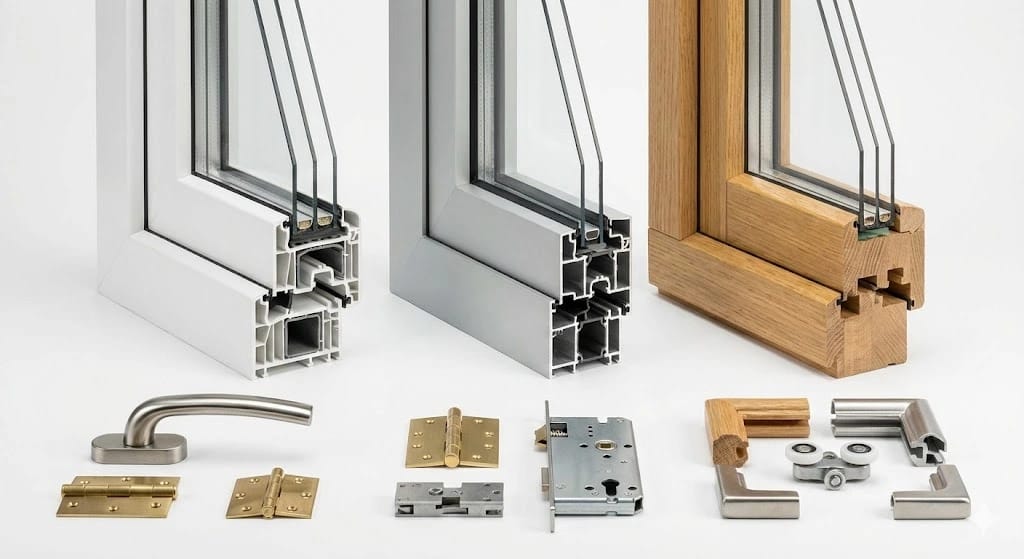
The condition of the seal, sash or frame geometry, and — depending on the window material — dimensional changes related to temperature or moisture may also matter.
The same symptom can therefore lead to different repairs. The fact that a window does not fully close or requires more force is not enough to choose the solution.
A change in sash position
If the sash starts rubbing against the frame or threshold, or no longer aligns correctly with locking points, its position and geometry need to be checked.
This change does not automatically mean the hinges are worn. The cause may be hardware setting, the condition of a specific mechanism component, sash geometry or another issue affecting its position.
If the components are functional and the problem falls within the intended adjustment range, correcting the setting may restore proper interaction between sash and frame.
Hardware and the closing mechanism
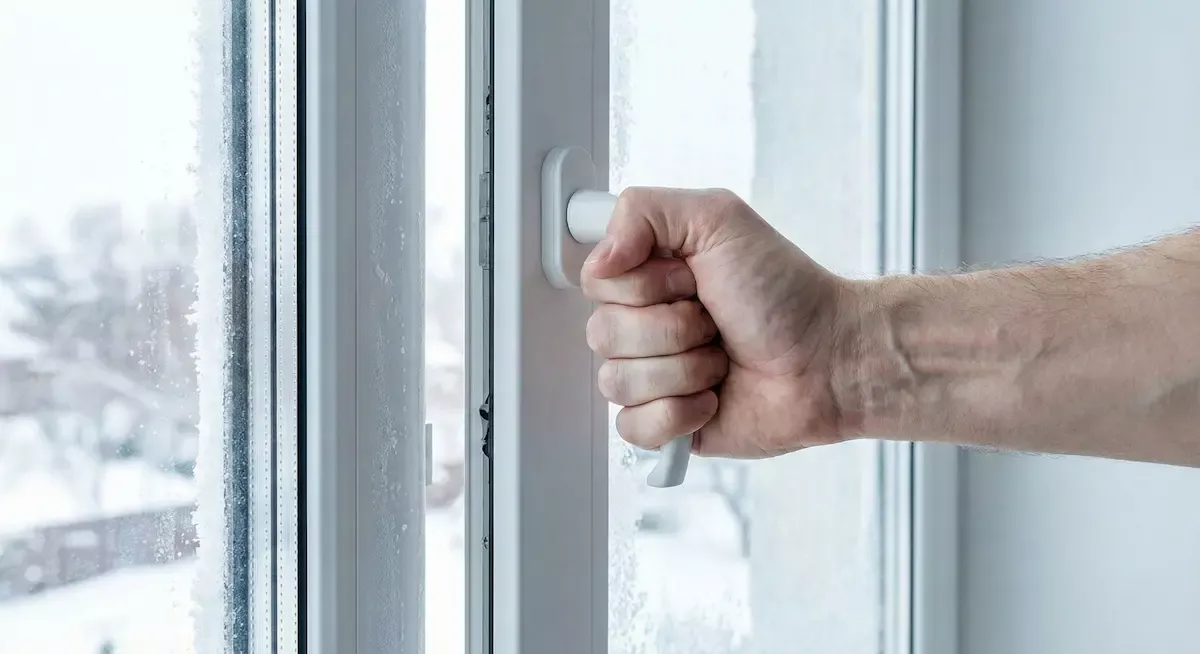
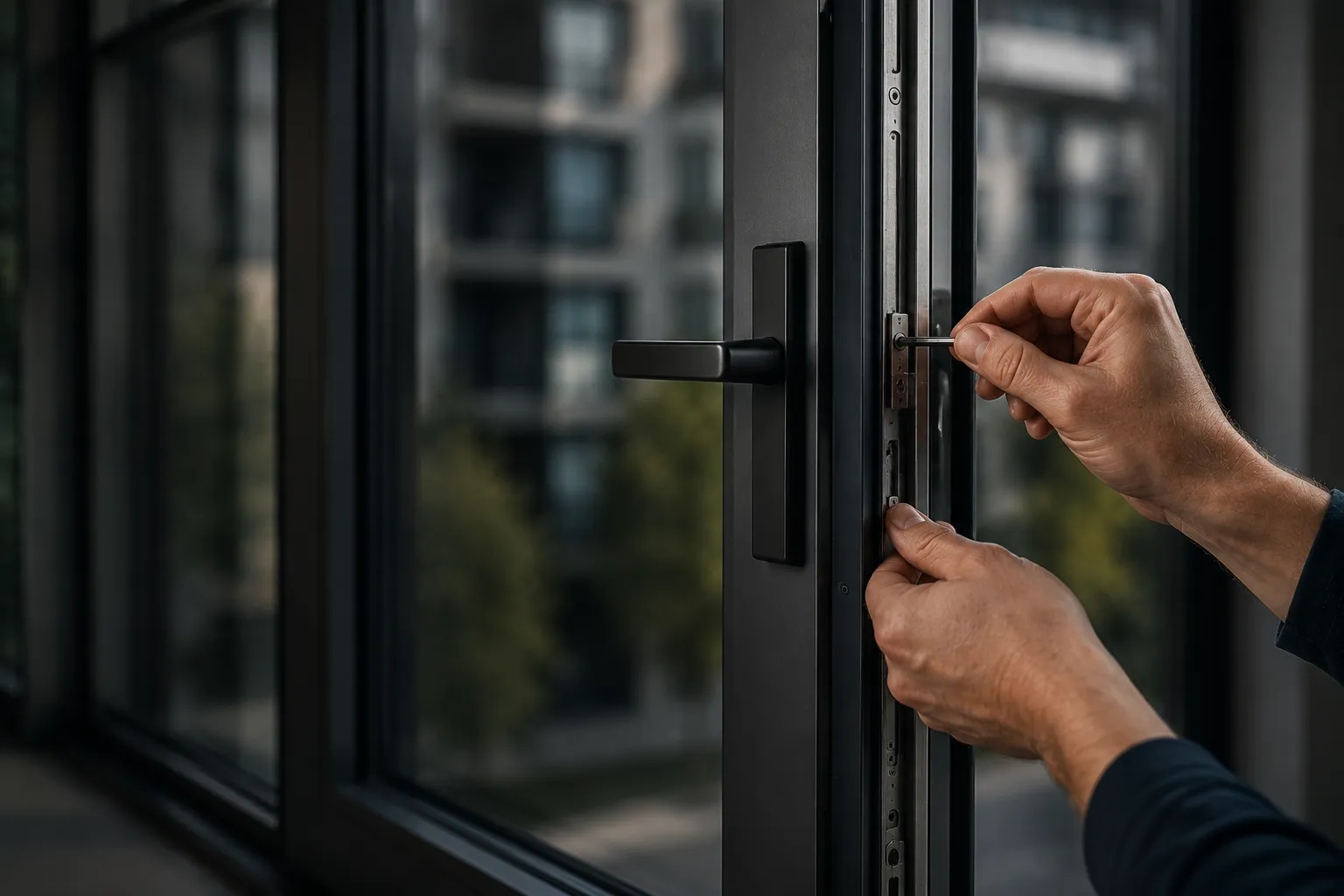
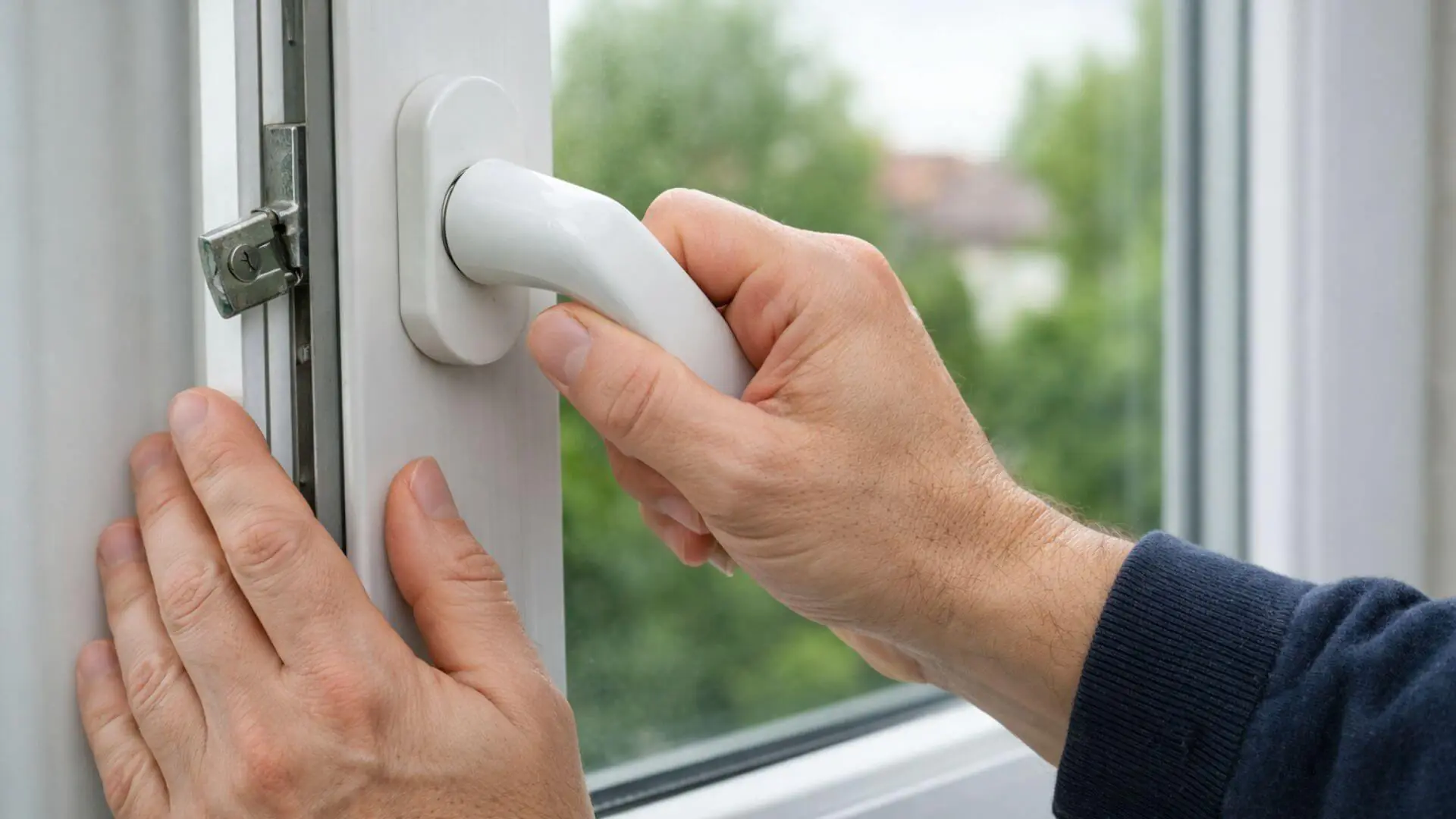
If the problem appears mainly during handle movement or at the final stage of closing, the mechanism and locking points need to be checked.
Greater resistance may come from component setting, dirt, insufficient maintenance or damage to a specific part. Handle behaviour alone does not identify which of these causes applies.
If diagnosis confirms mechanical damage to the component responsible for the problem, adjustment alone will not remove that damage. Repair then means restoring the mechanism or replacing the relevant component.
The seal and sash-to-frame contact
Uneven contact between sash and frame can affect closing and airtightness. Sash setting should, however, be distinguished from the condition of the seal itself.
A local lack of seal contact with the frame does not automatically mean adjustment is needed. Sash position, geometry, seal condition or another factor may be responsible.
Visible cracks, cuts, permanent deformation or other damage to the seal are reasons to assess its condition. Replacement makes sense when the seal itself is genuinely worn or damaged.
Do temperature and humidity matter?
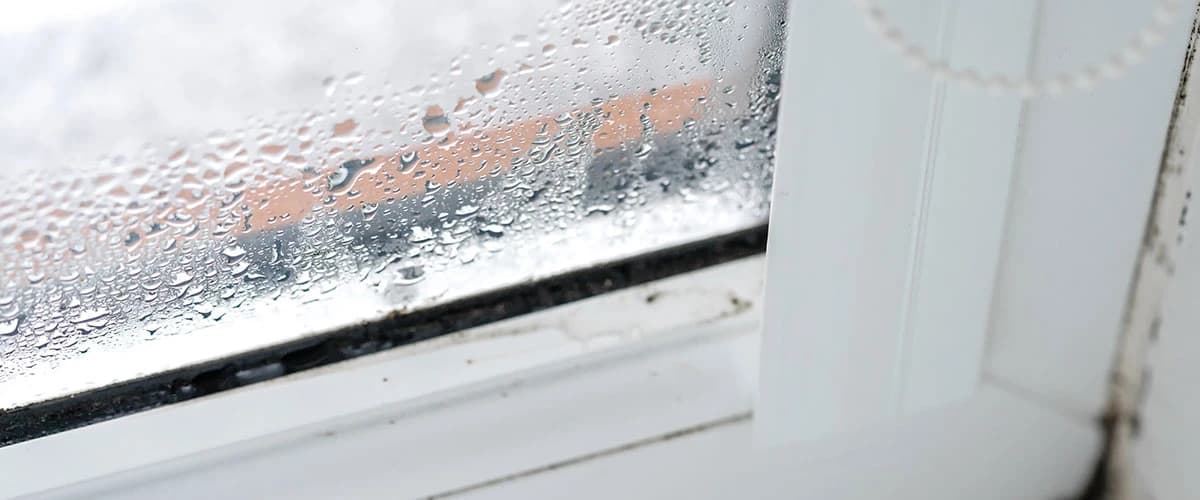
Window materials respond to environmental conditions. Plastic profiles change dimensions with temperature, while timber responds to changes in moisture content. This can affect sash operation.
A seasonal change in symptoms is only supporting information. A sash that operates differently during hot or humid weather does not by itself justify automatic “seasonal adjustment”.
If the problem depends on conditions, note that pattern and consider it together with sash position, hardware condition and window geometry during diagnosis.
Which symptoms help narrow the cause
Before a technician visits, note at what point the window stops closing correctly.
If the sash rubs against the frame or threshold, the contact point is useful information. If the problem mainly concerns handle movement, it helps to know whether resistance occurs throughout the movement or only at a certain point.
Also note whether the problem appeared suddenly or developed gradually, whether it depends on weather, and whether adjustment or repair was carried out earlier.
Visible damage is an important clue, but most setting or mechanism problems cannot be reliably separated with one simple home test.
What adjustment can correct
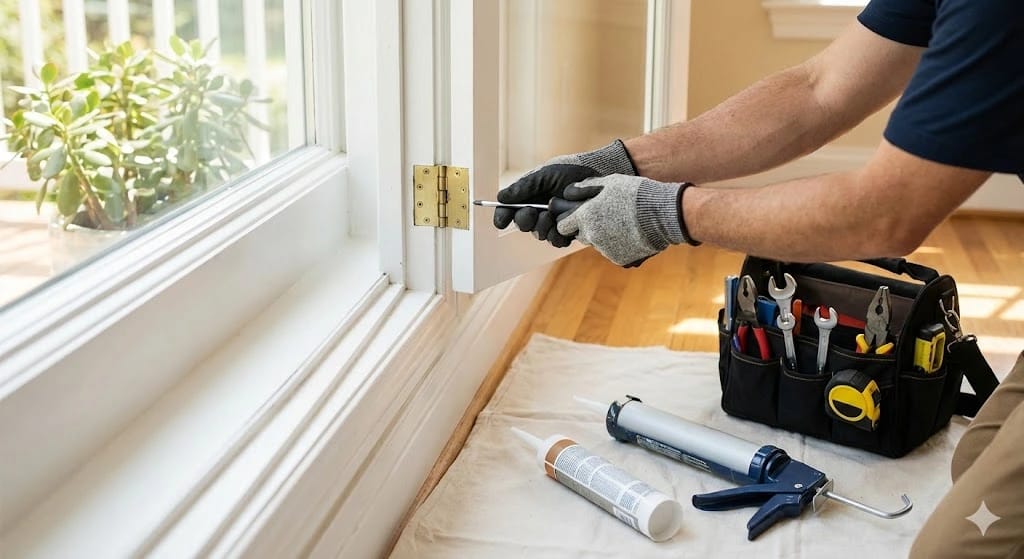
The adjustment range depends on the specific hardware system. In many systems, sash position and the way it interacts with the frame and locking points can be corrected.
Adjustment makes sense when the mechanism components are functional and the problem comes from their setting. It should not be treated as a universal solution to every closing problem.
There is also no single setting that is right for every window, nor a universal “summer mode” or “winter mode”. Settings should follow the design of the specific system and the way that particular window operates.
When adjustment alone may not be enough
Adjustment alone may not be enough when:
— a hardware component is cracked, bent or worn beyond the adjustment range;
— the handle or locking mechanism is damaged;
— the profile or sash has structural damage or permanent deformation;
— the problem comes from a component whose position cannot be corrected by adjustment;
— a suitable replacement component or repair solution needs to be matched to the specific system.
Damage to one component does not automatically mean the whole window must be replaced. The decision depends on the condition of the window as a whole, parts availability and the scope of the repair.
Maintenance without random adjustment
Basic cleaning and maintenance of moving parts should follow hardware manufacturer guidance. This helps keep the mechanism in suitable condition and makes changes in operation easier to notice.
There is no single universal interval between adjustments for every window. Maintenance and inspection frequency depend on the system, usage intensity and the actual condition of the components.
Randomly changing hinge position, locking points or compression is not a good diagnostic method. If it is unclear what needs correction, several interacting components can be altered at once and the cause may become harder to identify.
When not to keep forcing the window closed
A closer assessment is warranted when the sash starts clearly rubbing against the frame or threshold, the handle jams or operates noticeably differently from before, the window requires substantial force to close, a clear draught appears with the sash closed, or a mechanism or profile component is visibly damaged.
Not every one of these symptoms means a serious failure. It is still better to stop forcing the window and identify the source before adjusting additional components.
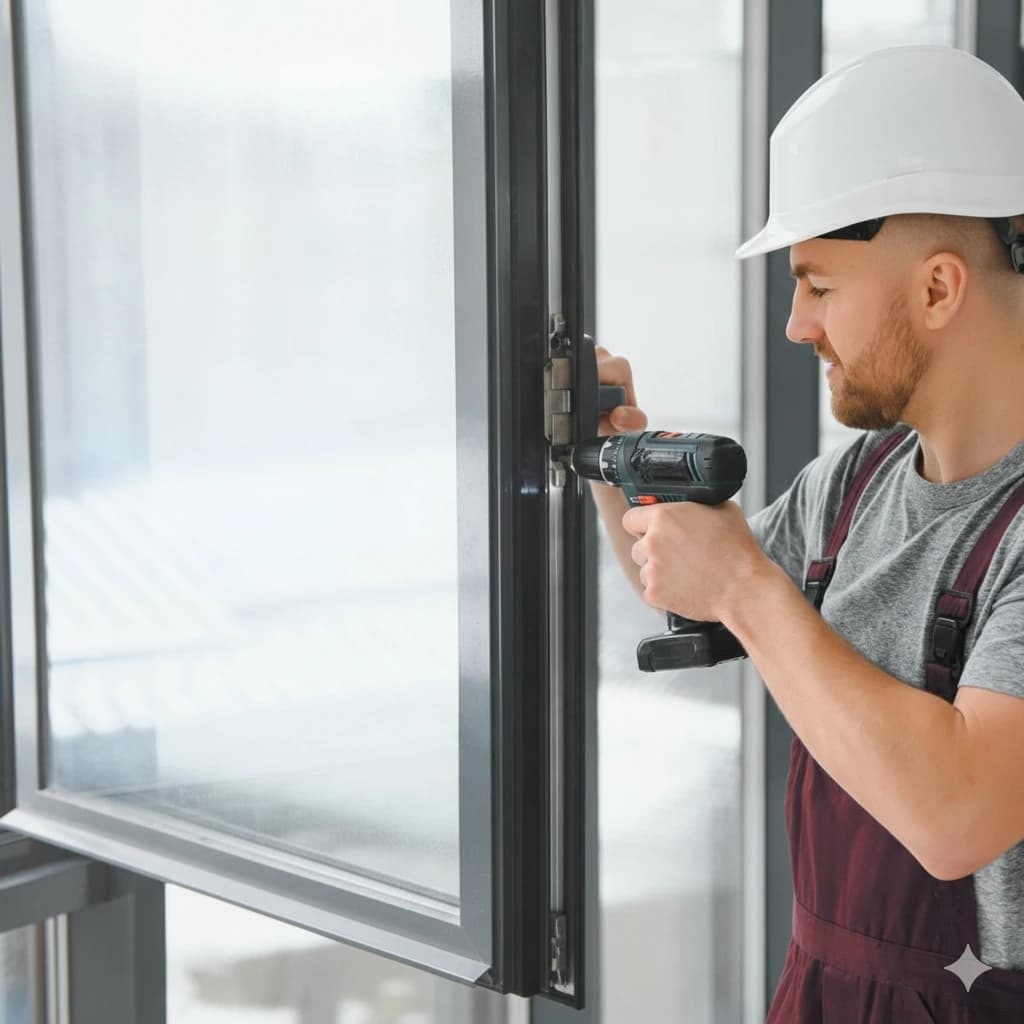
As part of our window adjustment and window repair services, we match the scope of work to the actual cause and condition of the specific window. The initial diagnosis and technician's visit are free within the area we serve.
If the main symptom is resistance while opening or moving the sash, we cover that separately in our guide to a window that is hard to open. For unusual sounds, see also our article on a squeaking window.
First identify why the window does not close
A closing problem does not determine either adjustment or full window replacement. First identify whether the cause is the setting of functional components, the mechanism, the seal, sash geometry or actual damage.
Adjustment corrects the position or setting of otherwise functional components. Repair is needed when the problem falls outside the adjustment range or a damaged component must be restored or replaced.
Only after separating those situations can the scope of work be chosen without guessing from a single symptom.
Service in your city
We provide window service and repair in Poland's major cities, including Warsaw, Krakow, Silesia (Katowice and surroundings), Wroclaw and other locations. For aluminium windows, see the guide on aluminium window adjustment — when and how.