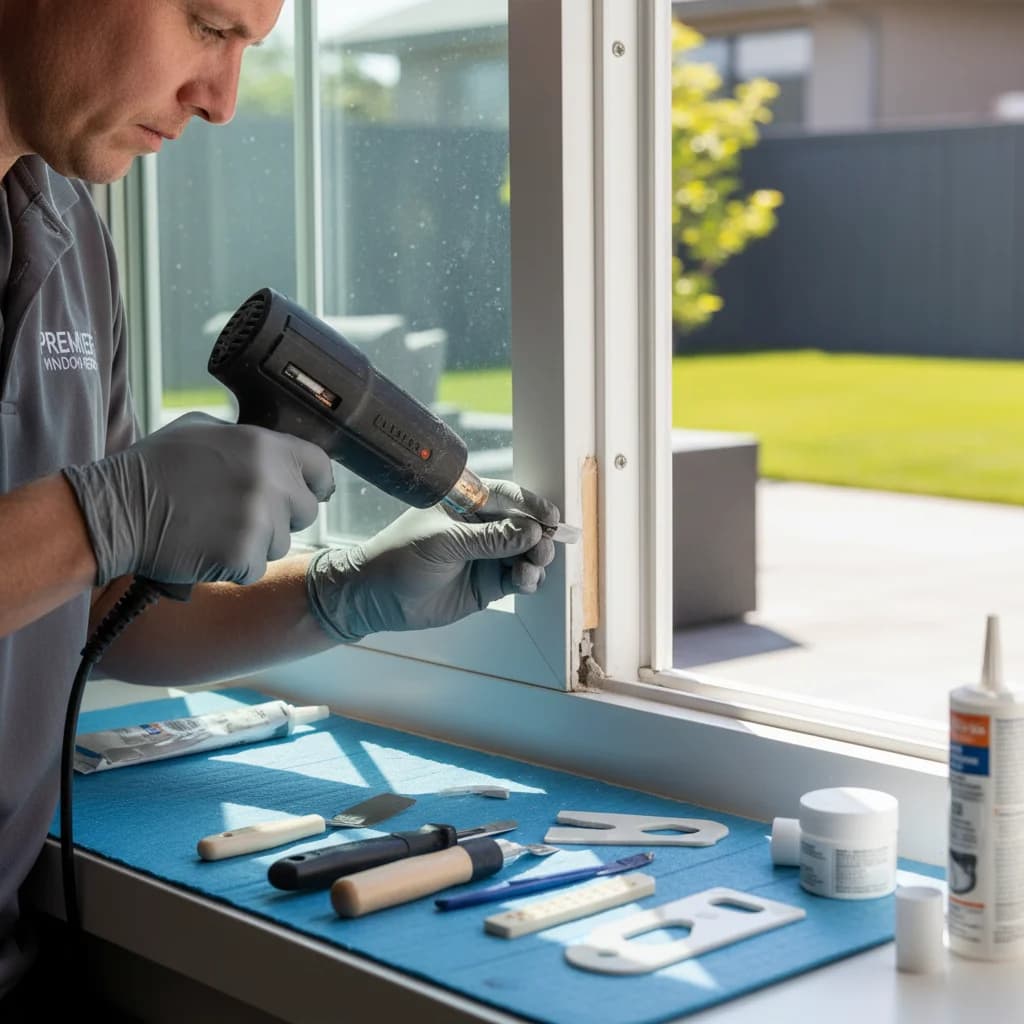
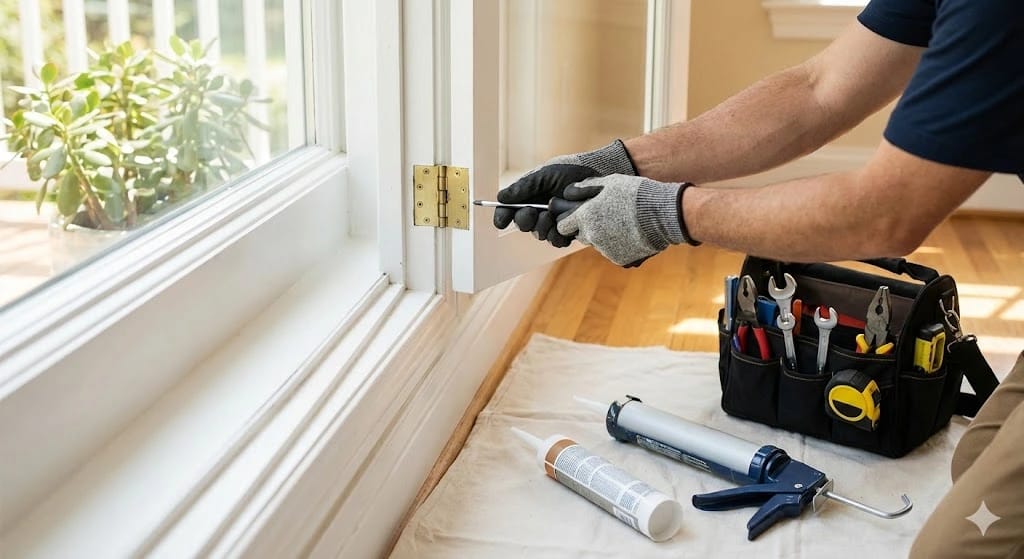
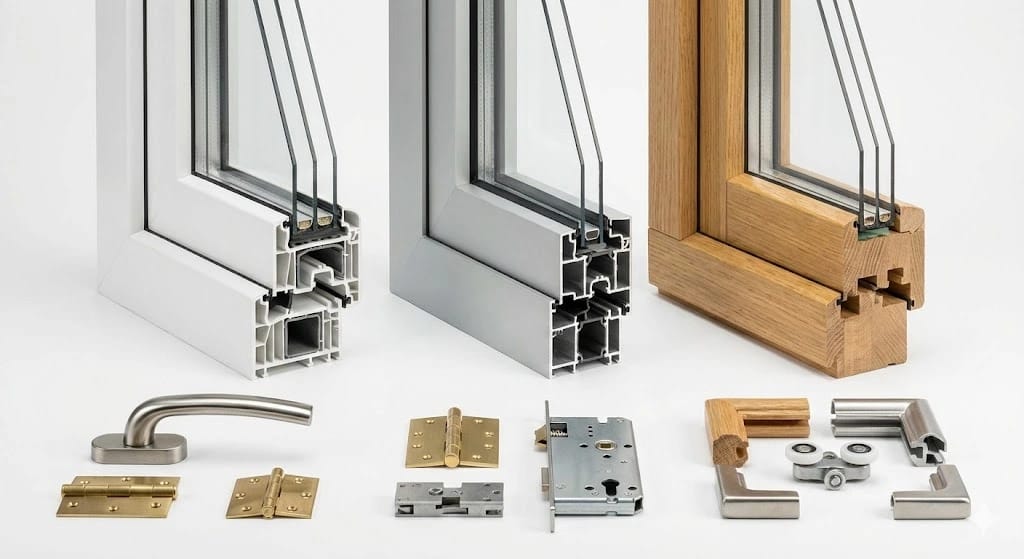
After the heating season, it is worth spending a few minutes checking whether your windows still open and close correctly, whether the handle operates without sticking, whether the gaskets show visible damage and whether the accessible drainage openings remain clear. A spring window service can help identify changes early and show whether simple maintenance is enough or whether adjustment or repair is needed.
A spring inspection does not mean every window needs automatic adjustment. Start by checking how the window is operating and what condition it is in. Only a specific symptom — such as the sash rubbing, more difficult closing, a noticeable draught or visible damage — should lead to further diagnosis.
What is genuinely new information about the window after winter?
Spring does not require repeating from scratch the same inspection used before the heating season. The most useful comparison is what now works differently than it did in autumn. If the sash has started rubbing, the handle needs more force, a new draught has appeared or there are new moisture traces, note where and when the symptom occurs. A change like this provides more diagnostic information than the simple fact that winter has passed.
Also look for evidence that may have emerged during the heating season: recurring condensation, dampness near the reveal, debris accumulated in the lower frame area or a new drainage problem. Each signal needs to be assessed in context; none automatically means that adjustment is required.
What can you do yourself as part of spring maintenance?
Safe maintenance starts with simple tasks: cleaning the frame, sash and gasket area, removing loose debris from accessible drainage openings and checking the manufacturer's maintenance instructions for the hardware and gaskets.
If the manufacturer of the specific hardware system calls for periodic lubrication of selected points, follow those instructions and use the recommended product. Not every component requires the same type of maintenance. The same applies to gaskets: cleaning and care should follow the recommendations for the type of gasket used.
Check the maintenance instructions for the specific hardware system rather than relying on generic online advice. If you do not know what a particular adjustment point does or how it should be maintained, do not change its position by trial and error.
Do windows need to be switched to summer mode in spring?
There is no single universal “summer mode” that every window should be switched to in spring. Some hardware systems allow sash compression to be adjusted, but the adjustment method, component positions and permitted range depend on the specific system.
If compression was changed previously or you want to understand what the terms “winter mode” and “summer mode” mean technically, see our separate guide to winter–summer window adjustment. A change of season alone is not a reason to adjust a correctly functioning window.
Is spring window adjustment necessary?
Not simply because spring has arrived. Adjustment makes sense when the way a specific window operates has changed. Reasons to check the settings include the sash rubbing against the frame, more difficult closing, a sticking handle or a noticeable draught.
If the issue concerns sash geometry or hardware operation, the window should be adjusted according to the requirements of the specific hardware system rather than treated as a routine seasonal setting change.
When is maintenance alone not enough?
The window rubs or no longer closes correctly
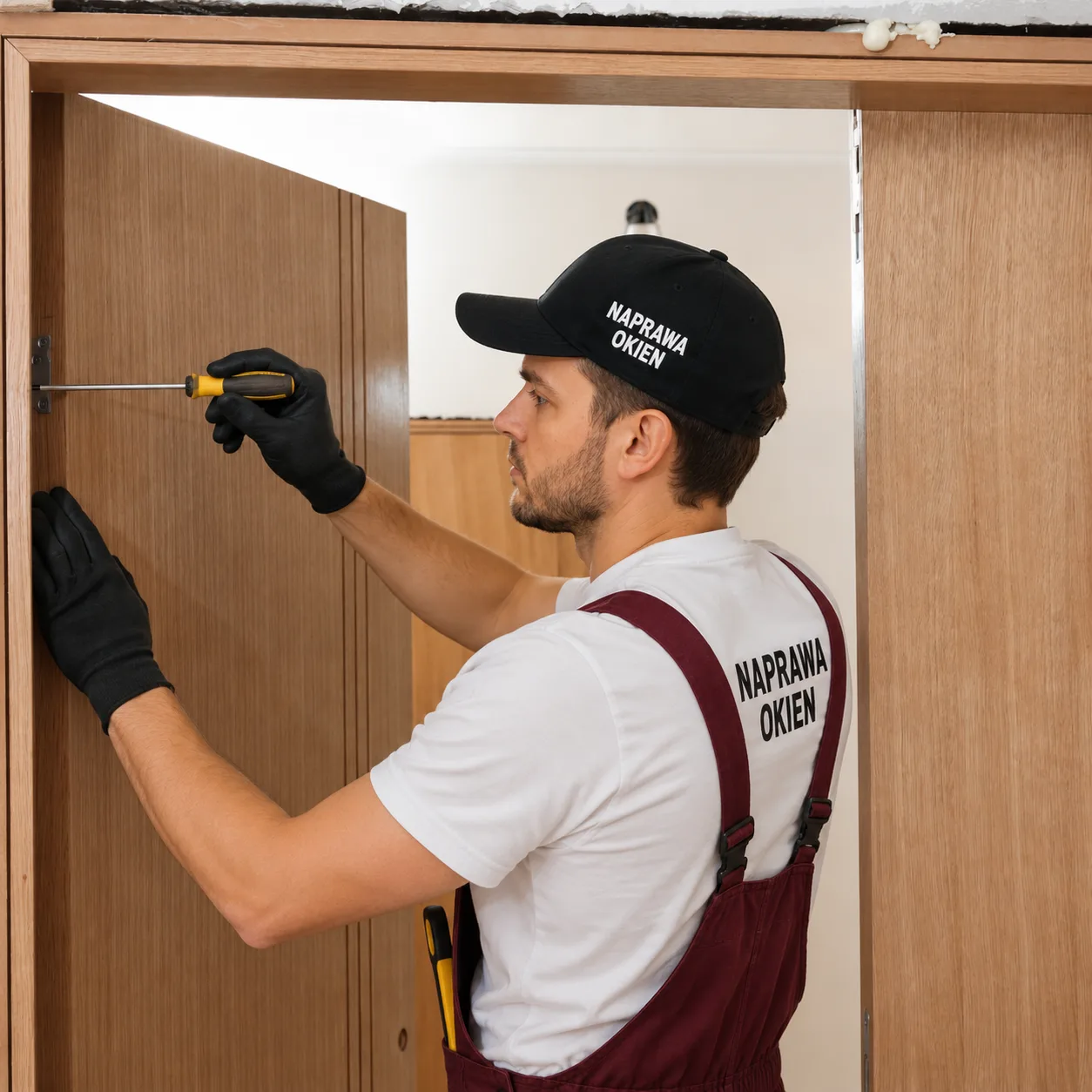
If the sash rubs against the frame, requires noticeably more force to close or no longer closes as it did before, the sash alignment and relevant hardware settings should be checked. Routine maintenance does not remove the cause of this type of problem.
The gasket is damaged or has come out of its groove
Cracks, missing sections, a gasket that has come out of its groove or permanent deformation are reasons to assess its condition. If replacement is needed, the correct profile and installation method matter.
The handle sticks or the mechanism is not operating correctly
If the handle jams, operates unevenly or the mechanism clearly behaves differently than before, simply adding lubricant without identifying the cause may not solve the problem. The cause should be identified first.
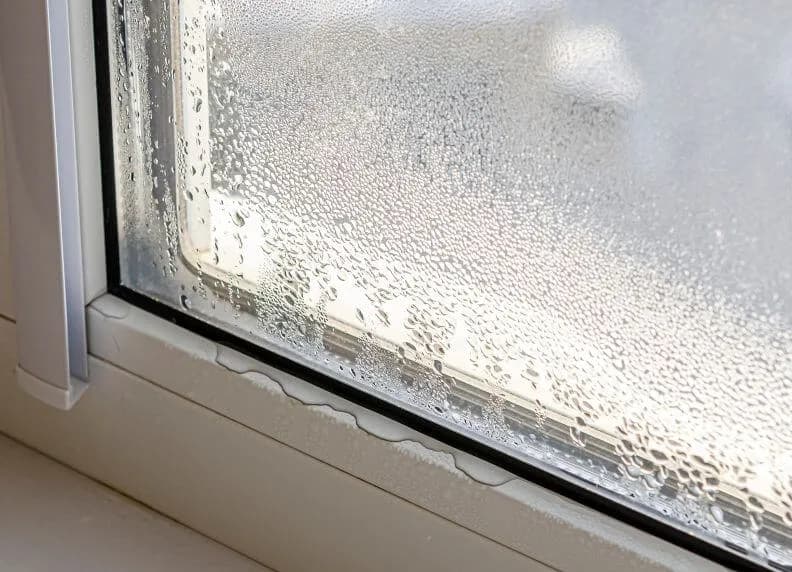
Condensation is visible between the panes
Condensation inside the insulating glass unit requires diagnosis of the unit. It is not a symptom that can be solved by compression adjustment or hardware maintenance.
A draught remains despite correct closing
If the window is correctly closed but a draught is still clearly noticeable, the cause may involve the gasket, sash alignment, hardware or the frame-to-wall joint. The source of the leakage should be identified rather than assuming that one setting needs to be changed.
When the problem goes beyond routine maintenance, the scope of window repair should be based on the actual cause.
Damp or mould around a window — is the window itself the problem?
Not necessarily. Damp or mould around a window may be related to the window or its installation, but possible causes also include ventilation, indoor humidity, surface temperature and thermal conditions around the window opening.
If there is also a draught, a closing problem or visible damage, the window itself should be checked as well. Without identifying the source, however, damp around a window should not automatically be treated as a window defect.
How often should windows be maintained?
The interval depends on the system and the manufacturer's instructions. Instructions from some manufacturers call for regular inspection and maintenance of selected hardware components, often at least once a year.
This does not mean that every window needs a professional service visit every year. Spring can simply be a convenient time to remember the inspection and carry out the maintenance tasks the manufacturer assigns to the user. Professional service is appropriate when there is a problem that requires diagnosis, adjustment or repair.
When is it worth calling a technician?
Professional help is worth considering when the window no longer closes correctly, the sash rubs against the frame, the handle sticks, a draught remains after basic checks, the gasket is damaged, a hardware component appears damaged or condensation is visible between the panes of the insulating glass unit.
During diagnosis, the cause should be identified first and the scope of work chosen afterwards. The initial diagnosis and the technician's visit are free of charge.
In spring, look for changes after winter rather than calendar-based tasks
A spring inspection should primarily answer whether the window still works as it did before winter. New rubbing, a change in handle operation, moisture traces or debris around drainage features are concrete observations worth following up. If nothing has changed, there is no reason to adjust the window simply because spring has arrived. Preparing windows before the next heating season is covered separately in our guide to pre-winter window servicing.
When the spring check reveals a specific problem
The checklist should end with a decision based on what you observed, not with a mandatory list of repairs. If several symptoms need to be assessed together, a window service provides the broader scope. If you notice persistent mist between the panes or damage to the sealed glass unit, see our guide to when glass-unit replacement is needed and what it costs. That is a different issue from routine seasonal maintenance and is not solved by adjusting the sash.