Once diagnosis points to the glass unit, replacement planning begins
This guide starts at the point where the problem has already been assigned to the insulating glass unit — for example, moisture inside the sealed unit has been confirmed or the glazing has another defect that requires replacement. If you are still trying to determine whether mist is on a surface or between the panes, start with our separate guide to condensation between panes.
Once the problem is confirmed, the relevant questions change: whether only the glass unit or the whole window needs replacement, what specification the new unit must meet, how measurement and installation work, and what determines the cost.
Fogging or droplets on a window do not always mean that the insulating glass unit has failed. The first step is to determine whether the moisture is on an accessible glass surface or actually inside the sealed cavity between the panes.
If fogging or droplets are genuinely trapped between the panes and cannot be reached from either the room side or the outside, this is a typical sign of a failed insulating glass unit seal. In that situation, the standard service solution is to replace the glass unit rather than the whole window, provided that the frame, sash, hardware and glazing system are in suitable condition.
Replace the glass unit or the whole window?
When is replacing the glass unit usually enough?
If the frame and sash are in suitable condition, the hardware operates correctly and the glazing system can accept a correctly specified replacement unit, there is no need to replace the entire window solely because the sealed glass unit has failed.
In everyday language, PVC window glass replacement often means replacing the complete sealed glass unit as one factory-made component rather than dismantling the old unit and replacing a single pane.
When should the whole window be assessed?
A broader replacement may be worth considering when there is serious frame or sash damage, permanent deformation, significant hardware, sealing or installation problems, or when the overall condition of the window prevents a replacement unit from being installed correctly.
The decision should be based on the condition of the whole window and the work required rather than on the assumption that a failed glass unit automatically means full window replacement.
Can replacement be used to improve glazing performance?
Low-e coatings and other options
When ordering a replacement unit, it may be possible to specify different performance features from the original, such as a low-emissivity coating, safety or laminated glass, different acoustic requirements or an appropriate gas fill. Any change should be matched to the window construction and the actual performance goal.
Can a double-glazed unit be replaced with triple glazing?
Sometimes, but not automatically. The overall unit thickness, available glazing space, glazing beads or retaining system, the additional weight and the ability of the sash and hardware to carry that weight all need to be checked.
For that reason, changing from double to triple glazing should only be decided after measuring and assessing the actual window system. Better glass-unit performance also does not guarantee a proportional improvement in the whole window if other components remain weaker.
How is an insulating glass unit replaced?
Measurement and specification
Before a new unit is ordered, its dimensions, thickness, build-up and required glass properties need to be identified. Two units that look similar can differ in thickness, glass composition and installation requirements.
Ordering the replacement unit
The new unit is manufactured to the required specification. Lead time depends on the supplier, dimensions, glass type, coatings, shape and other requirements, so there is no single waiting period that applies to every replacement.
Removing the old unit and glazing the replacement
The removal method depends on the window construction. The glazing retention components are removed as appropriate for the system, the old unit is taken out carefully and the glazing area is checked before the replacement is installed. The new unit should be correctly supported and positioned, then secured again using the components designed for that window system.
The insulating glass unit itself is sealed during manufacture. Gaskets, glazing beads and other parts of the window are responsible for holding and sealing the unit correctly within the sash or frame. A standard glass-unit replacement does not require the window frame itself to be replaced or plasterwork to be disturbed unless the existing construction also needs repair.
Dimensions and unit construction
Glass unit replacement cost is influenced first by the dimensions, thickness and construction of the unit. A small double-glazed unit and a large, heavy triple-glazed unit are very different jobs.
Glass type and additional requirements
Coatings, toughened glass, laminated or safety glass, acoustic requirements, special shapes and other performance features can all affect the specification and price.
Access and installation requirements
Cost can also depend on the size and weight of the unit, the installation location, access, height and whether additional handling or installation equipment is needed.
An accurate quote requires the unit dimensions and specification. The final scope is best confirmed after the individual window has been measured.
Why is it worth checking the cause of the failure as well?
What can happen after a seal failure?
Fogging may become more persistent over time and deposits can develop on the internal glass surfaces, reducing clarity. A failed seal also means that the unit is no longer maintaining the sealed cavity it was designed to have.
Why should the glazing arrangement be checked?
When replacing a unit, it is worth checking the condition of the glazing area, support blocks, gaskets and drainage as well as the unit itself. If the inspection reveals a problem with support, glazing or drainage, it should be corrected during replacement so that the new unit is installed in accordance with the window system requirements.
When is measurement or diagnosis worth arranging?
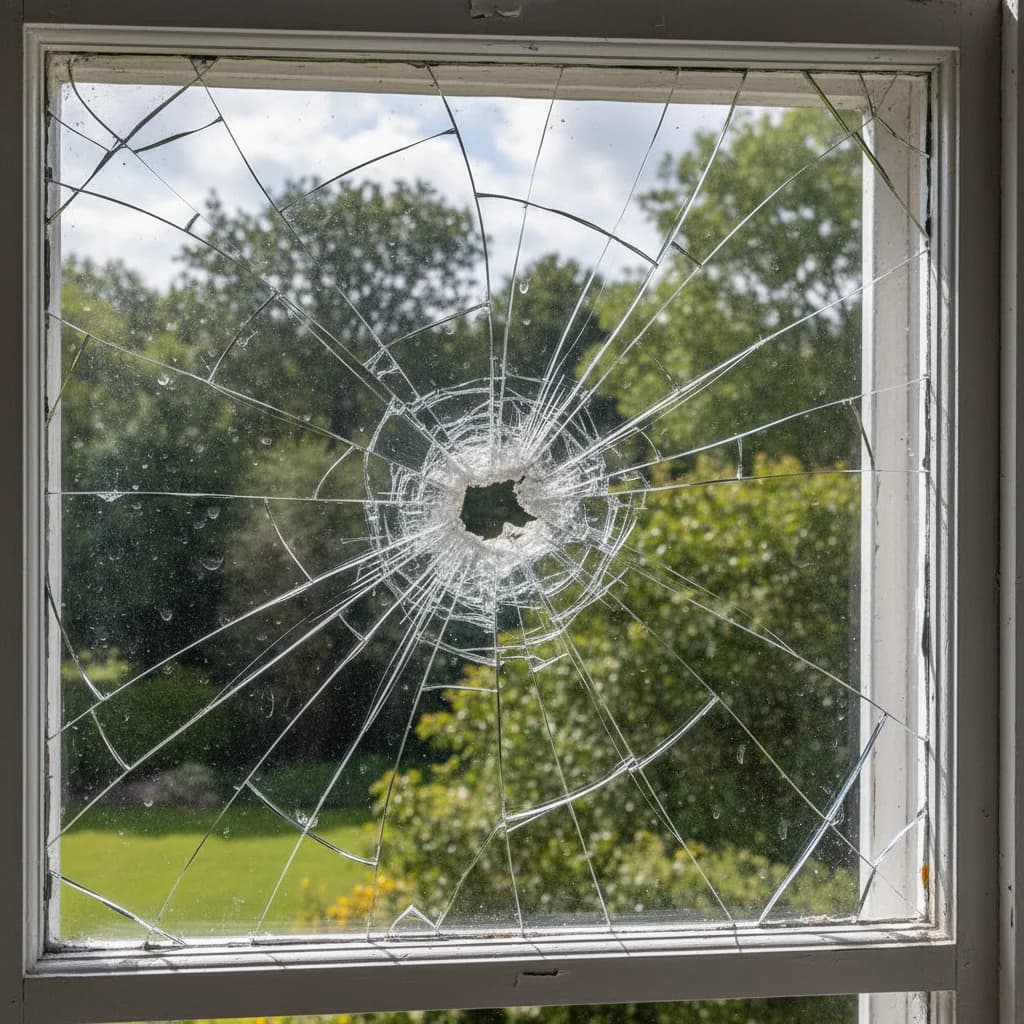
A professional assessment is particularly useful when fogging or droplets are clearly between the panes, persistent deposits inside the unit are reducing transparency, the glass is cracked, it is unclear whether the moisture is surface condensation or internal, or a different glazing specification is being considered.
As part of our window repair service, we assess the glass unit and the condition of the whole window before deciding what work is needed. The initial diagnosis and technician's visit are free of charge. For more on the symptom itself, see our guide to condensation between panes, and for the wider topic see condensation and moisture on windows.
In short
If fogging or droplets are genuinely inside the sealed glass unit, the typical solution is to replace the unit rather than the whole window, provided that the frame, sash and remaining components are in suitable condition. The replacement unit must be matched to the actual window in dimensions, thickness, weight and required performance.
When another symptom appears alongside the glass-unit problem
A failed sealed glass unit and a problem with the whole window are not the same thing. If fogging between the panes is accompanied by faults in the profile, sash or hardware, the broader scope is covered by PVC window repair. If there is also clear air movement around the closed window, see our guide to draughts, sealing and gasket replacement. A draught is not an automatic consequence of glass-unit failure and should be diagnosed separately.