Online, it is easy to find rules such as “repaint a wooden window every three years” or “impregnate every five”. A schedule like that may look precise, but time alone says little about the condition of a particular window. What matters is the finishing system, the conditions in which the joinery operates, and what is actually happening to the coating, wood, hardware and seals.
The calendar is better treated as a reminder to inspect the window than as an automatic repainting or impregnation date. The condition of the coating is a more useful clue than the number of years alone, while the guidance for the specific finishing system should also be taken into account.
The protective coating — the first thing worth assessing
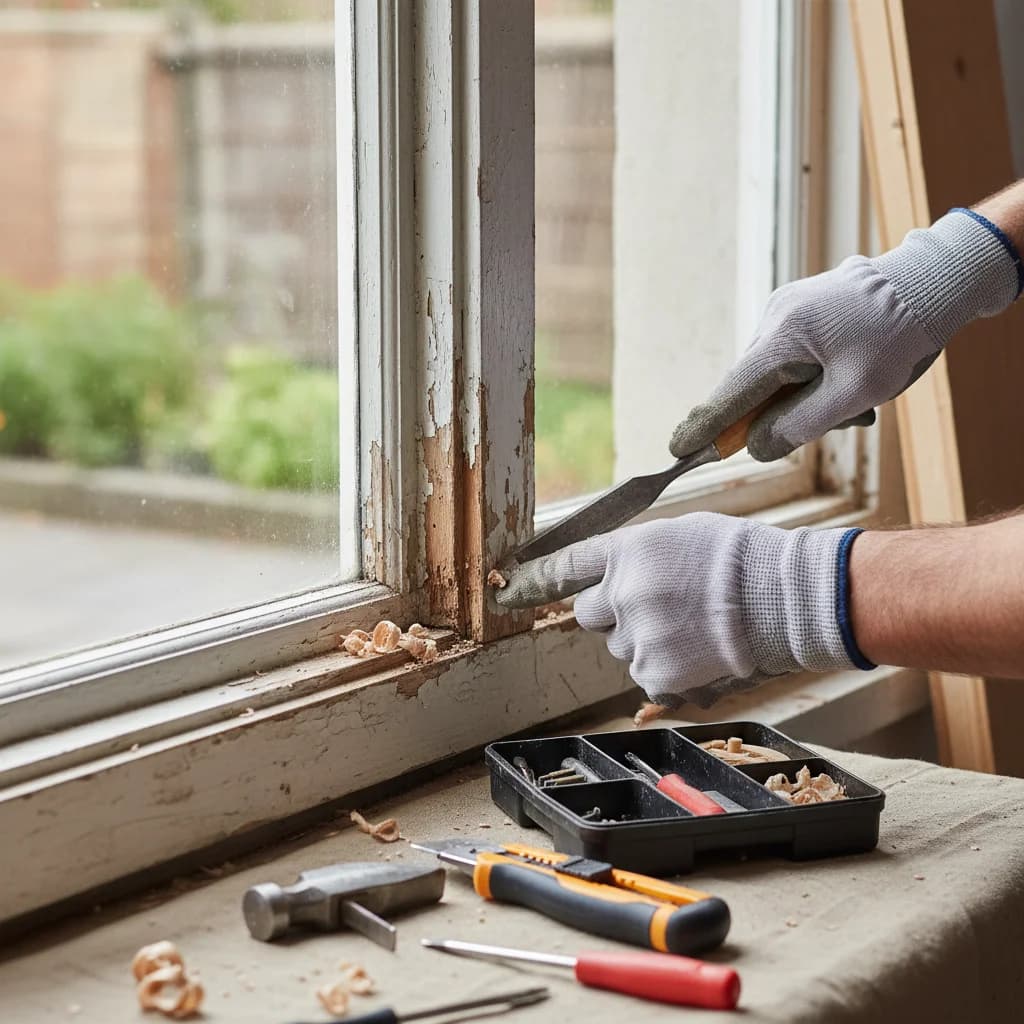
Paint or stain is one of the first things that can be assessed without dismantling the window. Dulling, local cracking, flaking or exposed wood are reasons to look more closely at the condition of the coating.
The earlier a change is noticed, the easier it is to judge whether simple care or a local touch-up may be enough, or whether a larger renovation is needed. The calendar alone cannot answer that question.
Four things worth observing
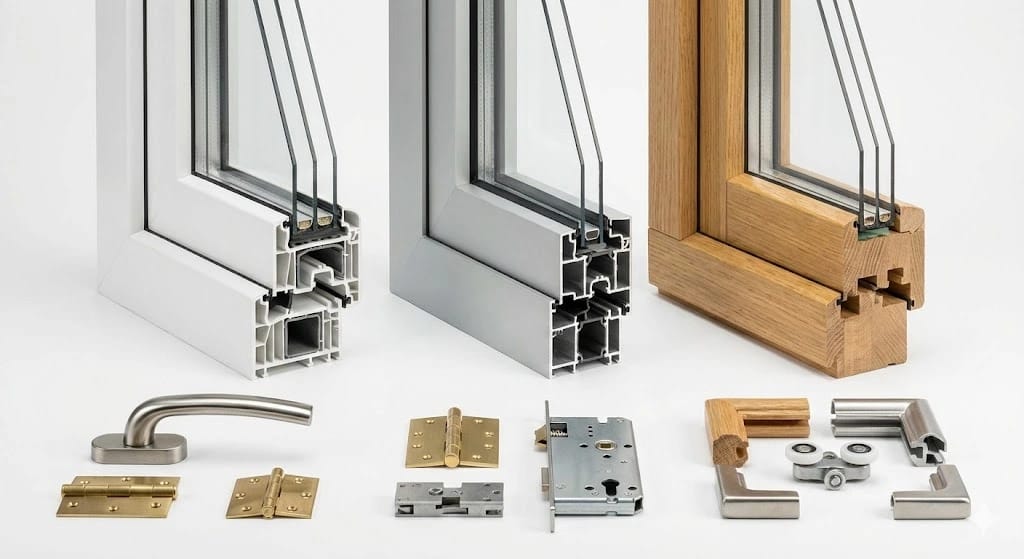
When inspecting a wooden window, it helps to separate four areas: the coating, the wood itself, the hardware and the seals. A change in one does not automatically mean there is a problem with the others.
Paint or stain. Look for dulling, cracks, blisters, flaking, worn edges and places where bare wood is exposed. These changes are a reason to assess the coating more closely.
The wood itself. Look for obvious material loss, crumbling, deeper cracks or areas that appear permanently damaged. Discolouration alone does not determine the condition of the wood, so it should not automatically be treated as proof that a component needs repair or replacement.
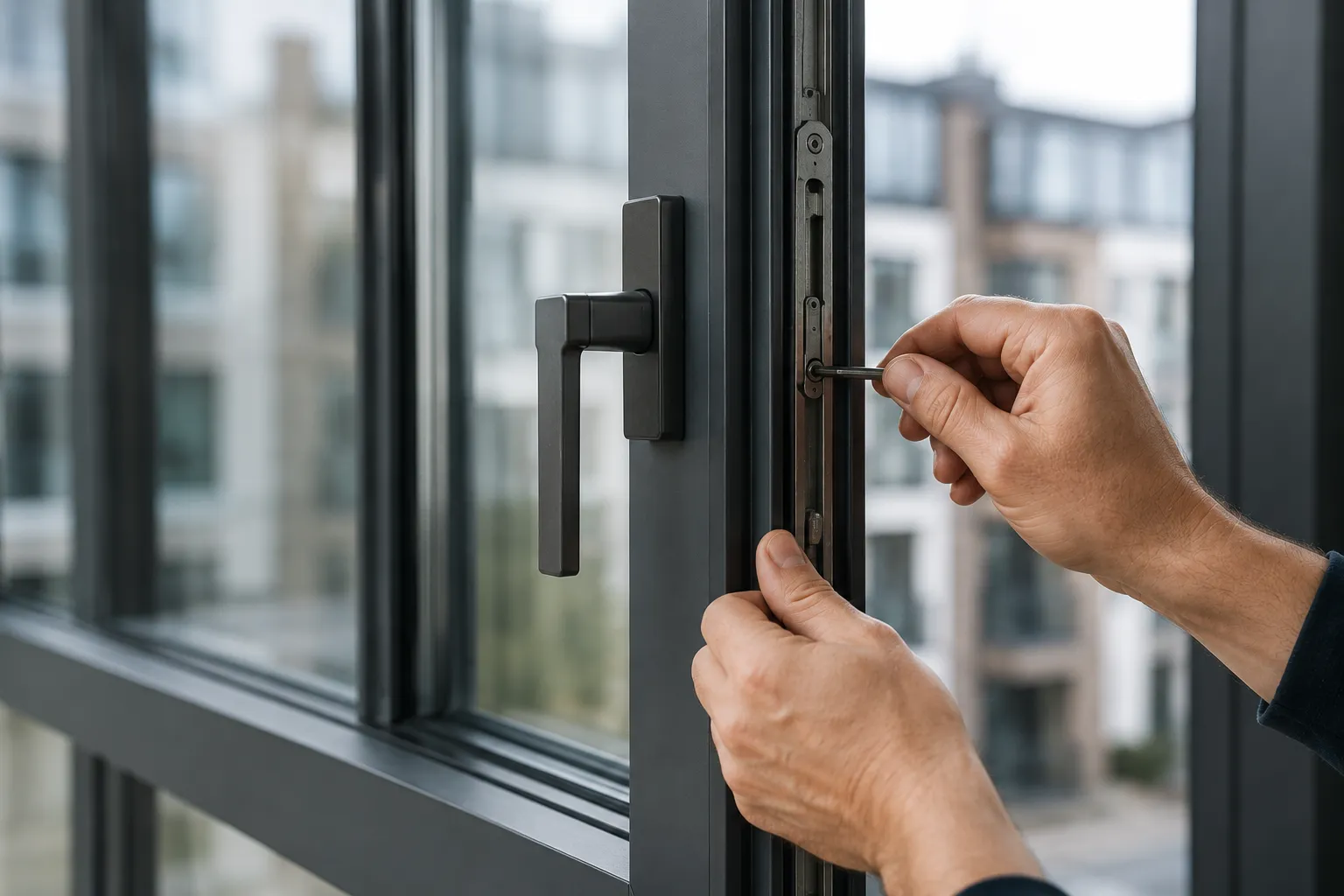
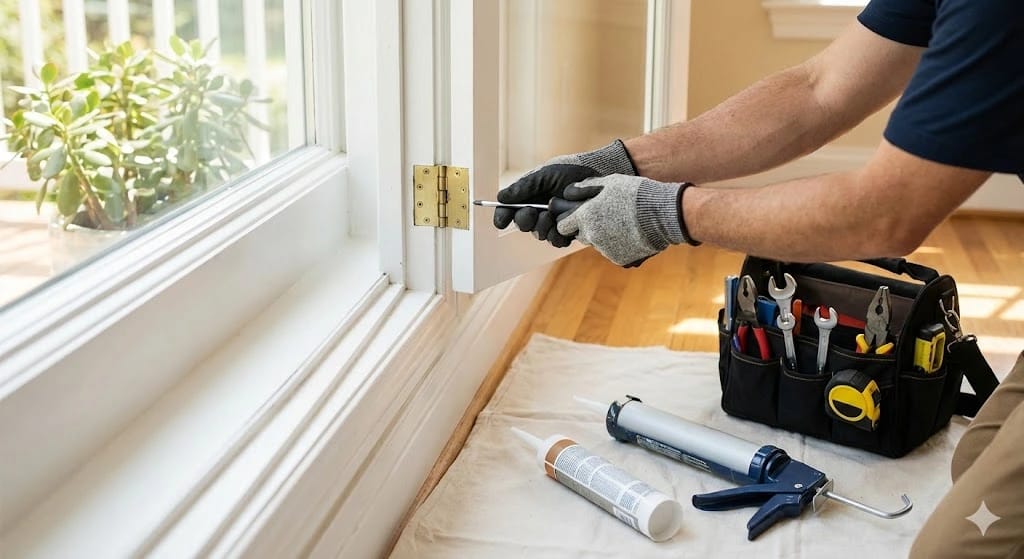
Hardware. Check whether the handle, hinges and locking components show a clear change in resistance, play or other new symptoms. Hardware problems should be considered separately from the coating — refinishing the wood will not replace adjustment or repair of the mechanism.
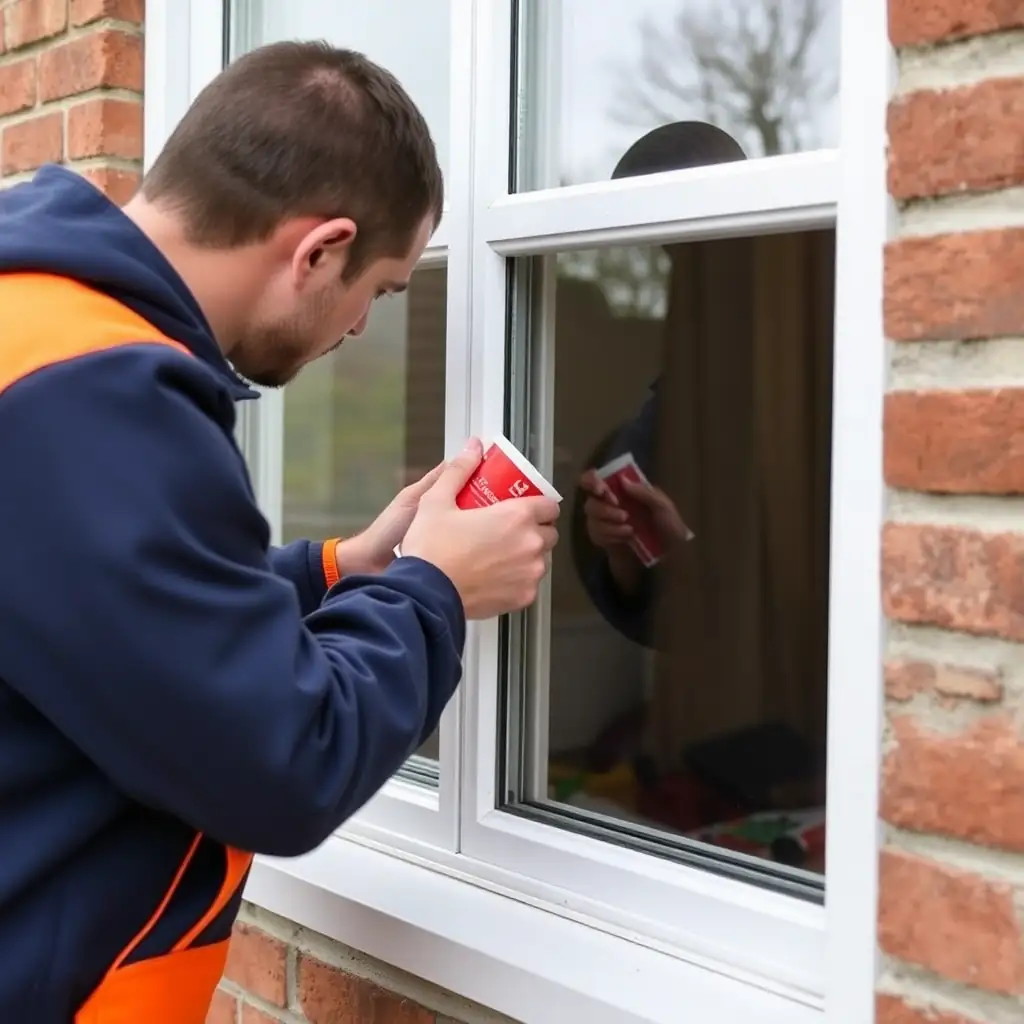
Seals. If the window has them, look for visible cracks, deformation or detachment. A damaged seal can affect airtightness, but a draught alone does not prove that the seal is the cause.
Not only what changed, but where
With a wooden window, the size of a visible defect is not the only thing that matters. Its location matters too. A small coating defect in a place regularly exposed to water may deserve more attention than a larger area of dulling on a well-sheltered surface.
When inspecting the window, pay particular attention to lower parts of sashes and frames, joints between elements and places where water may remain on the surface for longer. Appearance alone does not tell the whole story — location and exposure matter too.
Refreshing the coating — when to start
Coating durability is not the same on every window. It is influenced by the finishing system, surface preparation, exposure to sun and rain, and how the window is used and cared for. One number of years cannot be applied honestly to every wooden window.
Cracking, flaking, coating loss or areas of exposed wood are reasons for a closer assessment. Discolouration, however, needs its cause identified; on its own it does not tell you whether refinishing the coating will be enough.
If the damage affects only the finishing layer, the work may be limited to proper surface preparation and renewal of the coating. If the wood itself is affected, the renovation may need to go further.
Impregnation — not always a separate mandatory step
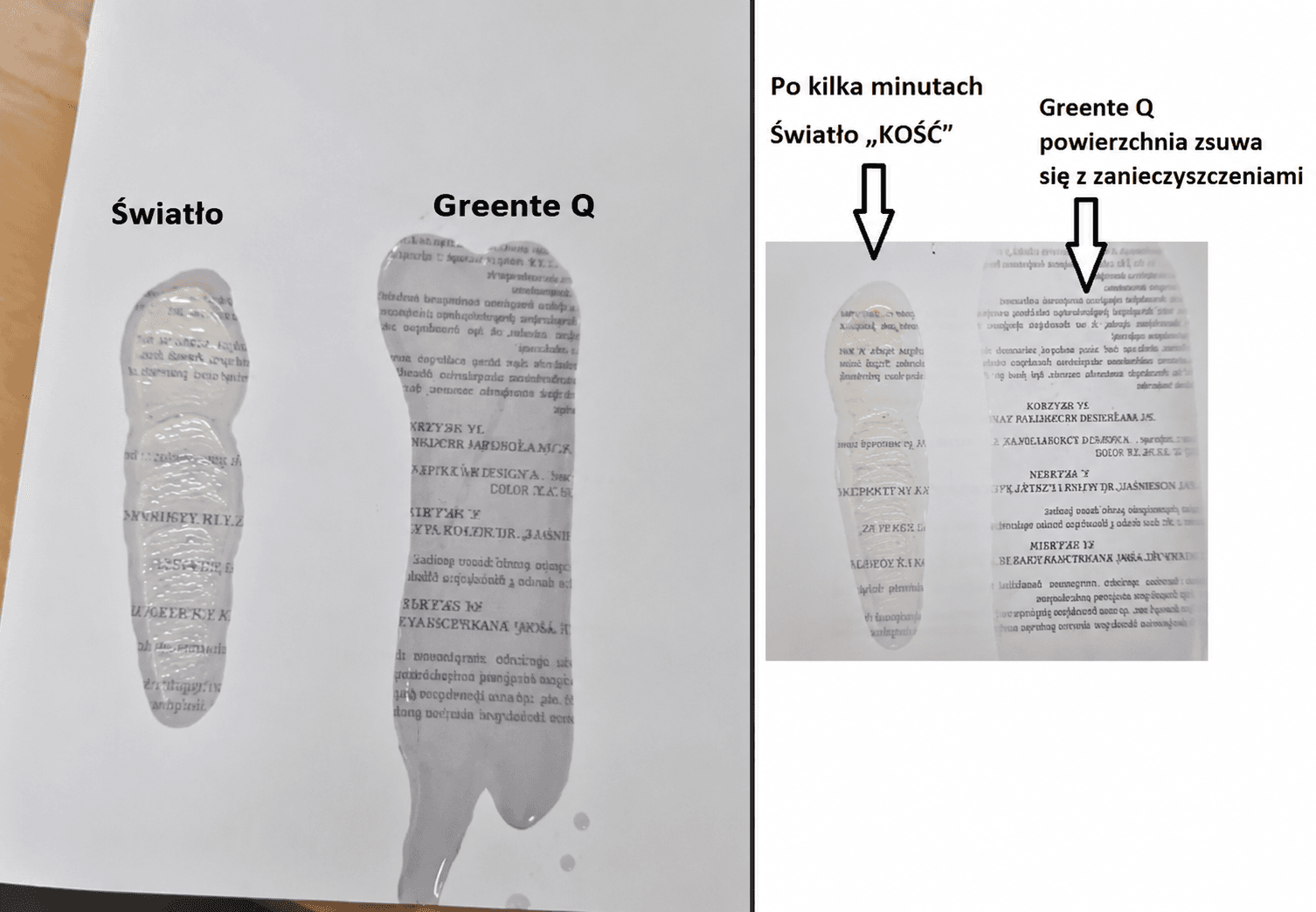
The term “impregnation” is used very broadly, but in practice the way wood should be protected depends on the specific finishing system. Not every existing wooden window needs a separate impregnation product applied periodically.
When renewing joinery, it is more important to establish what coating is already on the window, what condition it is in and what the system calls for. New products should be chosen with their intended use and compatibility in mind, rather than simply because they are labelled “for wood”.
If it is not known what was used previously, or if renovation requires removal of a larger part of the old coating, the finishing system should be determined before work begins.
When a wooden sash starts rubbing
Changes in humidity can affect the dimensions of wood, but sash rubbing should not automatically be blamed on “swelling”. A similar symptom can also be related to sash alignment, hardware operation or another change in the window construction.
You can safely check where the sash is rubbing and whether there are visible wear marks on its edge or on the frame. Do not force the window closed, push the sash home with your knee, or plane or sand the wood “just in case”.
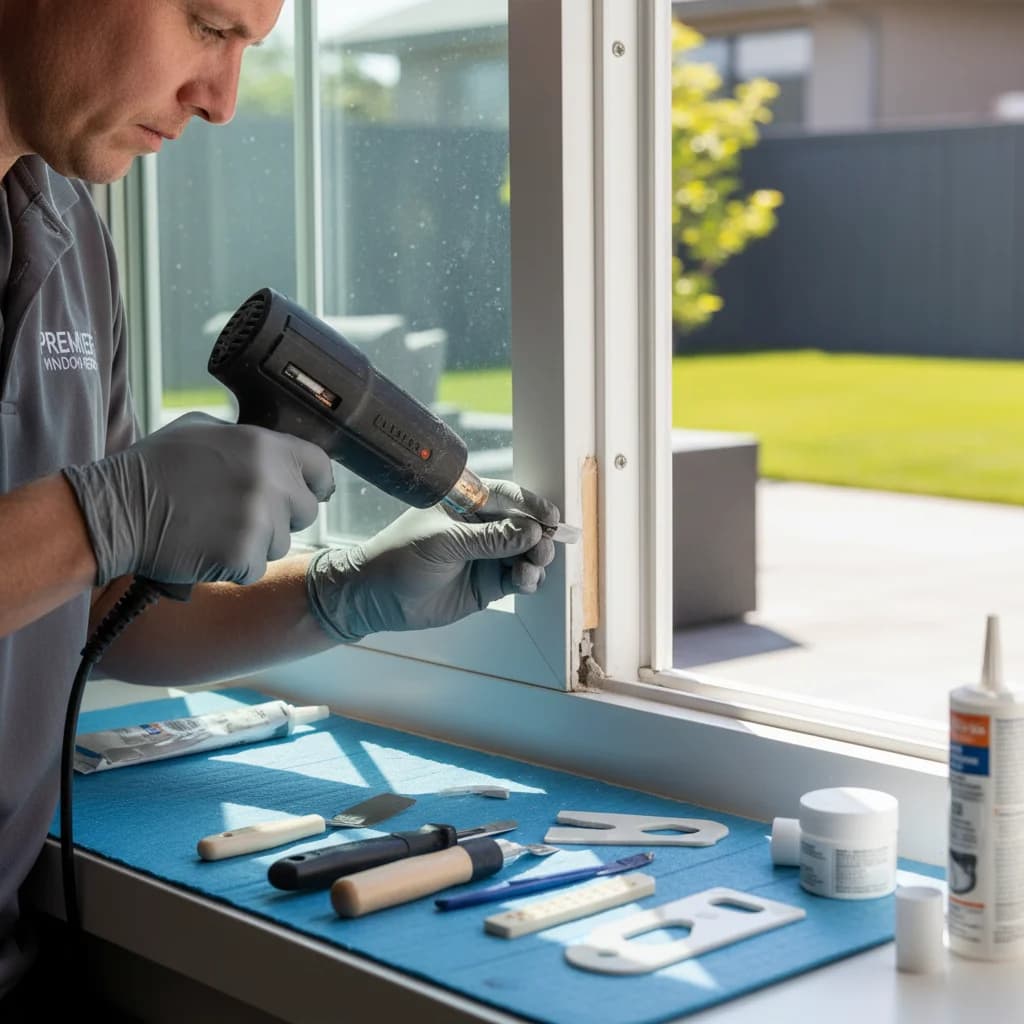
The next step depends on the cause. Repair may involve adjustment, work on the hardware or — where justified — repair of the wooden component itself. That cannot be determined safely from the fact that the sash has started rubbing alone.
When coating renovation is no longer enough
Refinishing the coating will not solve the problem if the damage already affects the wood itself or the window construction. In that situation, the extent of the damage should be assessed before repainting.
Signs that justify a broader assessment include obvious loss or weakening of the wood, deep cracks, permanent deformation of a component or damage to structural joints.
None of these automatically means the whole window must be replaced. Sometimes a specific component can be repaired; in other cases the damage is more extensive. The decision should follow an inspection of the joinery rather than the age of the window or one visible surface change.
As part of our wooden window repair service, we first assess the actual scope of the problem and then choose the appropriate repair method.
For a broader overview of what can be repaired in a wooden window, our wooden window repair guide may also be useful.
When the problem is not in the wood or coating
Not every symptom around a wooden window belongs to timber maintenance. If the coating and wood are sound but the issue concerns a visibly damaged gasket or a failed glass unit, those components should be assessed as separate repair paths rather than treated as part of refinishing the timber. Initial diagnosis and travel are free of charge.