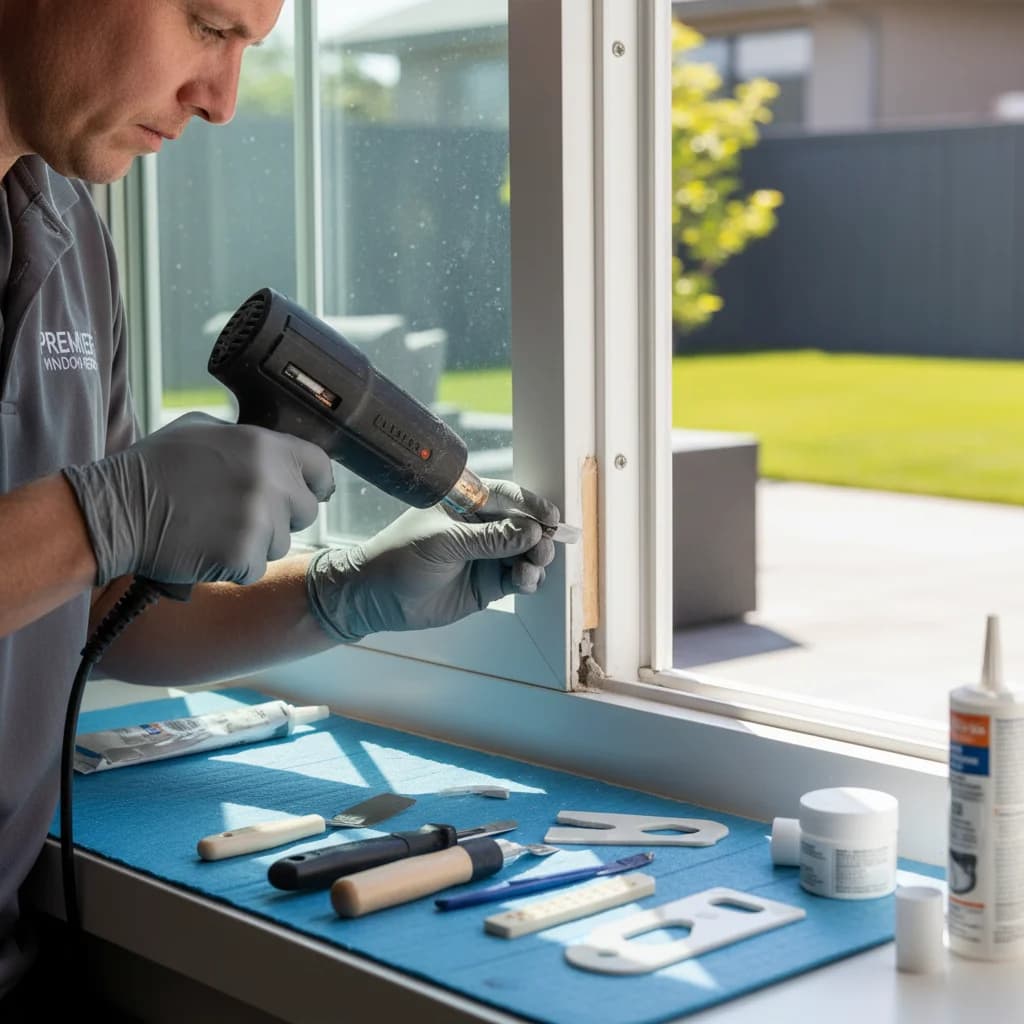
Ten years of use is not the service-life limit of a PVC window. One window may still work correctly after that time, while another may need adjustment, seal replacement, hardware repair or assessment of the insulated glass unit.
Use patterns, window construction, opening and closing frequency, working conditions, and the history of maintenance and repairs all matter. Instead of assuming that “something must be done after 10 years,” it is better to assess specific components and symptoms.
Seals — assess condition, not age alone
A seal does not need replacement simply because the window is ten years old. It should mainly be checked for visible cracks, cuts, permanent deformation, displacement from the groove or missing sections.
A draught, a cooler feeling near the window or moisture in a corner do not automatically mean the seal is at fault. Sash position, hardware operation, the window-to-reveal connection or indoor conditions may also be involved.
If the seal is genuinely damaged, the correct profile needs to be matched to the specific window system. Replacing a seal does not automatically mean the whole window needs replacing.
Hardware — how the sash and handle work matters
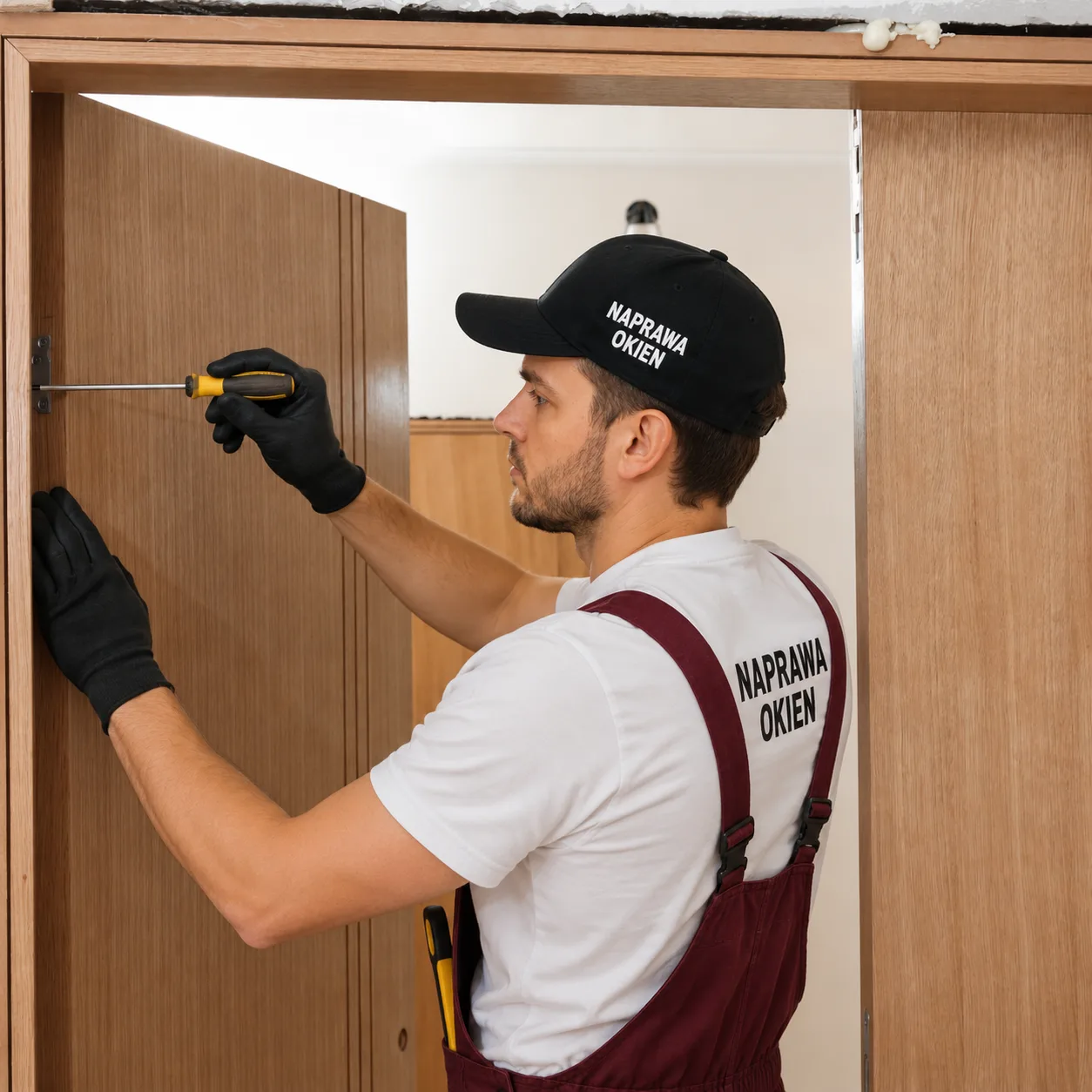
After years of use, it is worth noticing changes in how the window operates. A stiffer handle, greater resistance when closing, sash rubbing or unusual play may mean that sash position and hardware operation need checking.
The symptom alone does not prove that adjustment is enough. Depending on the cause, adjustment, maintenance, repair of a specific component or replacement may be needed.
Before replacing the whole mechanism, it is worth identifying the hardware manufacturer and series and checking whether a suitable repair solution or compatible replacement component is available.
Condensation between the panes — when the insulated glass unit may be involved
Persistent fogging, residue or droplets visible between the panes can indicate loss of seal in the insulated glass unit. This moisture cannot be removed by cleaning the inner or outer glass surface.
If the problem is limited to the glass unit and the rest of the construction is in suitable condition, replacing the glass unit without replacing the whole window is often possible. The final scope still depends on the specific window construction and condition.
Profile drainage — what to check
Many PVC windows include openings and channels that drain water from appropriate areas of the profile. If they are visible, check whether dust, leaves or other debris are blocking them.
A blockage can interfere with correct drainage, but moisture at the bottom of the frame does not automatically mean the drainage is at fault. The source of the water should be identified first.
Do not enlarge drainage openings or clean them with sharp tools.
The connection between the window and reveal
The sash seal and the connection between the frame and building are different areas. If a gap, moisture or water marks appear around the reveal, the installation joint should also be assessed.
These joints are not all built in the same way, so repair should not be reduced to simply “replacing silicone”. Different sealing materials and layers may be used depending on the installation method.
The place where moisture appears does not confirm the source. Before repair, it is important to establish where air or water is actually entering.
What to monitor during maintenance
The scope and frequency of maintenance depend on the window system and manufacturer guidance. In practice, useful areas to monitor include:
— keeping accessible hardware areas clean and using products suitable for the specific mechanism;
— cleaning seals and using care products appropriate to their material;
— checking visible drainage openings;
— responding to changes in handle operation, sash rubbing, a local draught or other new symptoms.
There is no need to treat compression adjustment as a seasonal “summer mode” and “winter mode”. Hardware settings should follow how the specific window operates, not the calendar.
When repair makes sense and when replacement is worth considering
A single damaged seal, an adjustment issue, one hardware component or the insulated glass unit do not automatically mean the whole window needs replacement.
Replacement is worth considering when the main profile construction is damaged, the scope of faults is extensive, no suitable repair solution or compatible parts are available, or when the owner is planning a broader upgrade and expects different performance from the entire window.
If the damage is extensive, it is sensible to compare the cost and expected result of an effective repair with full replacement. The decision should consider not only the cost of one repair but also the condition of the remaining components and the expected period of further use.
When diagnosis should not be delayed
It is worth having the window checked sooner when:
— the sash clearly rubs against the frame or does not close correctly;
— the handle begins to operate noticeably differently;
— a local draught appears with the window closed and the source is unclear;
— persistent fogging, residue or droplets remain between the panes;
— moisture or mould repeatedly appears around the reveal and it is unclear whether the cause is condensation, the installation joint or another problem;
— the visible seal has cracks, cuts or permanent deformation.
The symptom alone does not determine the repair. Diagnosis is mainly about identifying the actual cause.
If the main problem is air movement around a closed window, our guides on draughts from windows — causes and solutions and draughts from windows — sealing or seal replacement may help. For moisture problems, see our guide to condensation and moisture on windows.
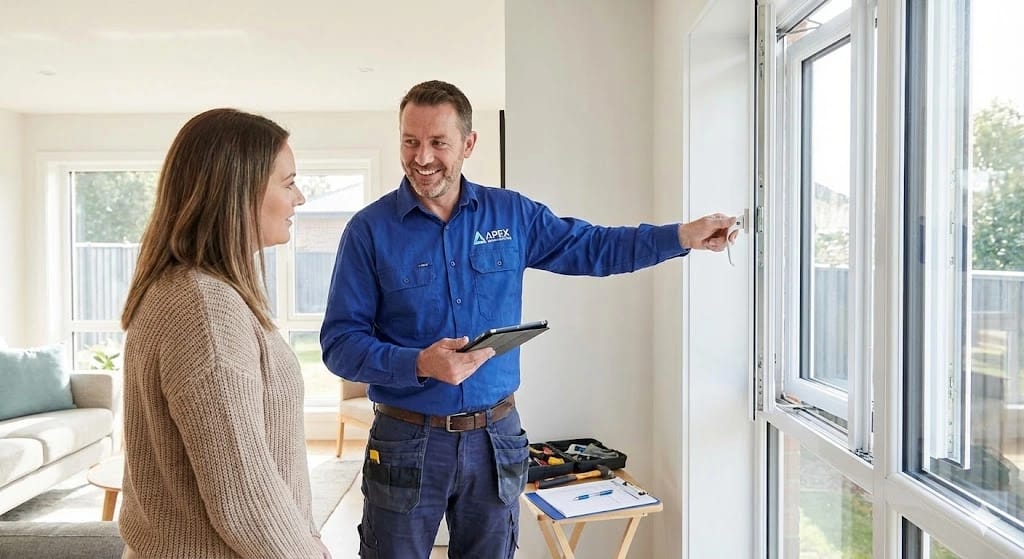
As part of our window repair service, we first identify the cause and then define the required work. The initial diagnosis and technician's visit are free within the area we serve.
What to remember
Ten years is not a replacement deadline for a PVC window. It is simply a useful point to assess its actual condition, especially if new symptoms have appeared.
Seals should be replaced because of their condition, adjustment should be carried out when sash and hardware operation require it, and condensation between the panes may indicate a separate issue with the insulated glass unit.
The key is to separate window age from diagnosis. Whether the window needs minor maintenance, repair of a specific component or full replacement should be decided by the condition of the construction, not the number of years alone.